5th HAPI Grand Prize Winner
3rd HAPI Japan Best Practice Winner
THE PROBLEM
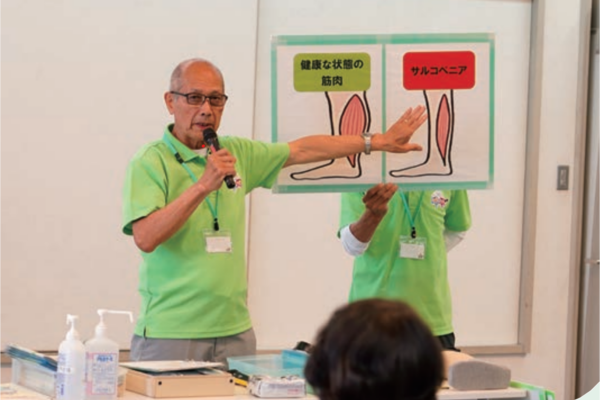
Japan, as a super-aging society, has been shifting from an era focused solely on extending life expectancy to one where the aim is to achieve both healthy and happy longevity. Until now, public health management has centered on the management of lifestyle-related diseases through medical check-ups. However, those check-ups often fail to adequately address the issue of “frailty,” which is one of the major factors hindering healthy longevity. The core condition of frailty is sarcopenia, or muscle weakness. It is a concept in which a negative chain reaction of diverse factors—physical, psychological, and social—leads to progressive frailty and a decline in independence.
THE INNOVATION
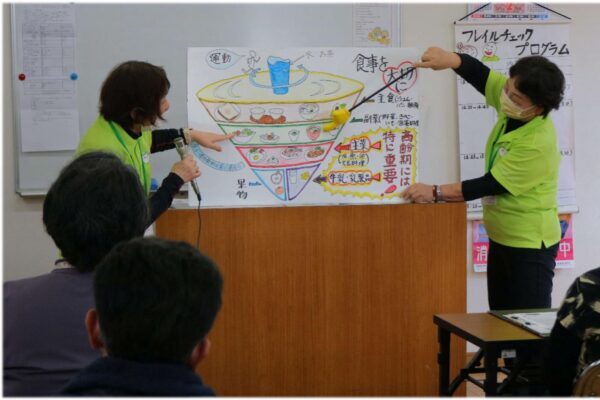
In 2012, a University of Tokyo research team conducted a large-scale longitudinal study of older people in Kashiwa City, located just outside of Tokyo. That study identified three pillars of frailty prevention: (1) nutrition; (2) physical activity; and (3) connection and participation in society. They also found that it is better if those three elements are combined and reflected in an individual’s life in a sustainable manner.
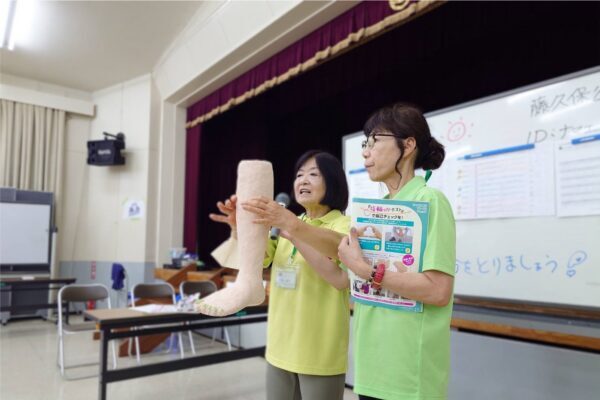
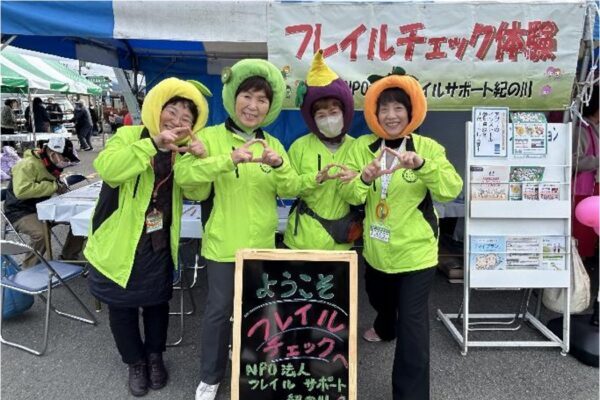
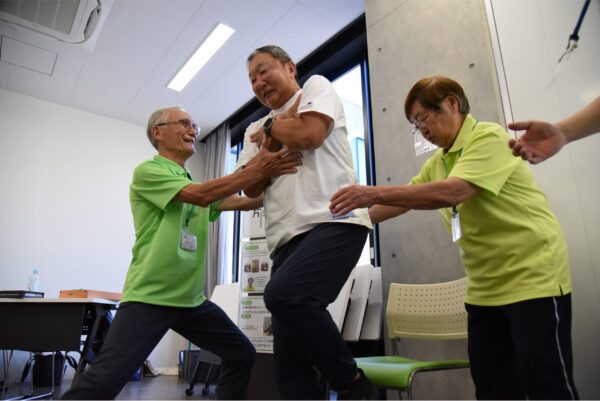
Based on that evidence, they introduced a new training system for older people who could become resident volunteers, or “Frailty Prevention Supporters.” A peer-to-peer model of “frailty checks” was developed where older people gather together and carry out a comprehensive assessment to notice changes and modify their behavior together. Unlike medical care that focuses on managing symptoms, the frailty checks seek to reverse frailty—grounded in the understanding that various functions can be restored through self-awareness, personal effort, and appropriate intervention—to extend the independence of older community members.
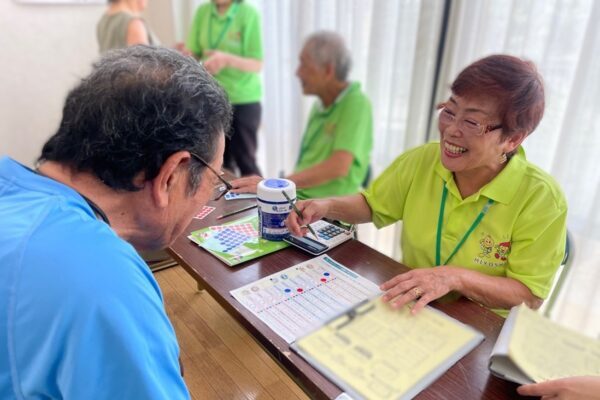
The check takes roughly two hours and uses a prepared questionnaire covering physical functions as well as residents’ emotional health and sociability. Red and blue stickers are used to check off answers, allowing a clear visual representation of the degree of one’s frailty in terms of one’s overall daily life. The Frailty Prevention Supporters review the results with the participants and provide advice on how to improve diet and eating habits, and how to increase levels of exercise and social engagement through group work among residents. The data can be used to predict the risk of someone requiring additional support or nursing care. Furthermore, through their new community-contribution activities, the Frailty Prevention Supporters can enhance their own well-being—including their Ikigai (in Japanese; sense of purpose in life)—thereby contributing to their own happy and long lives.
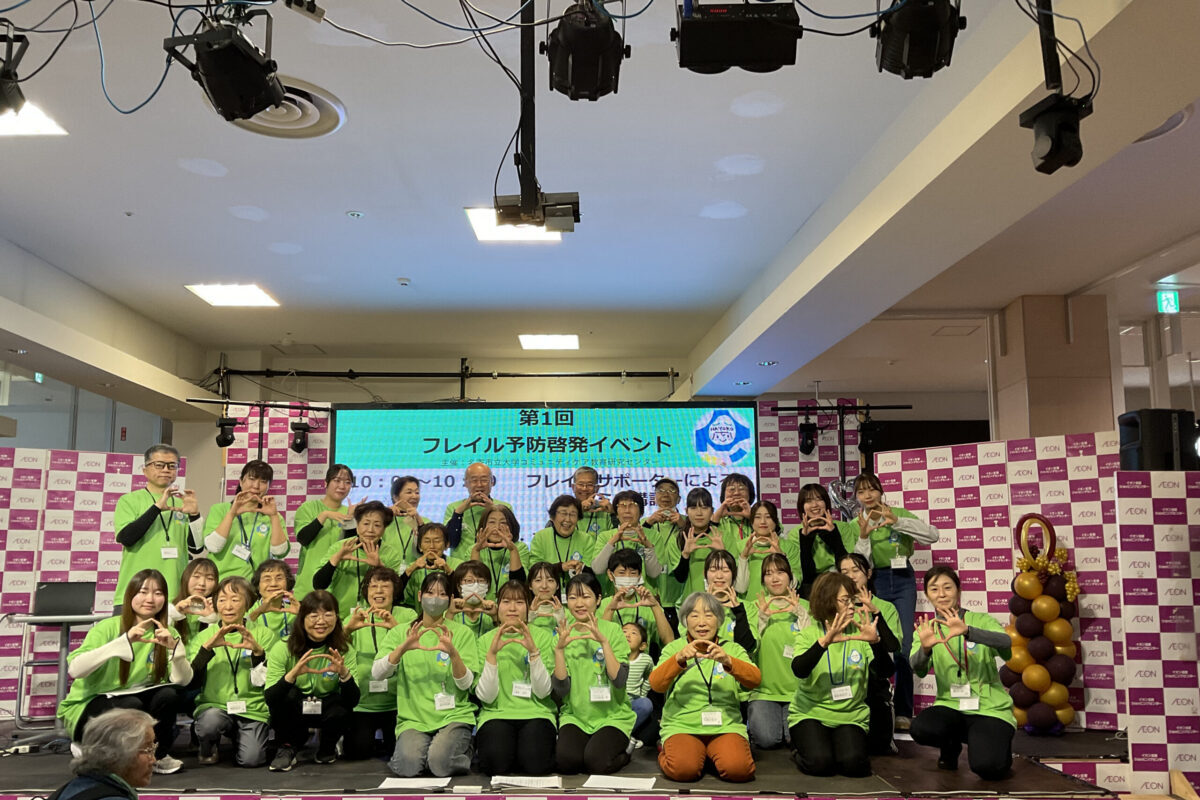
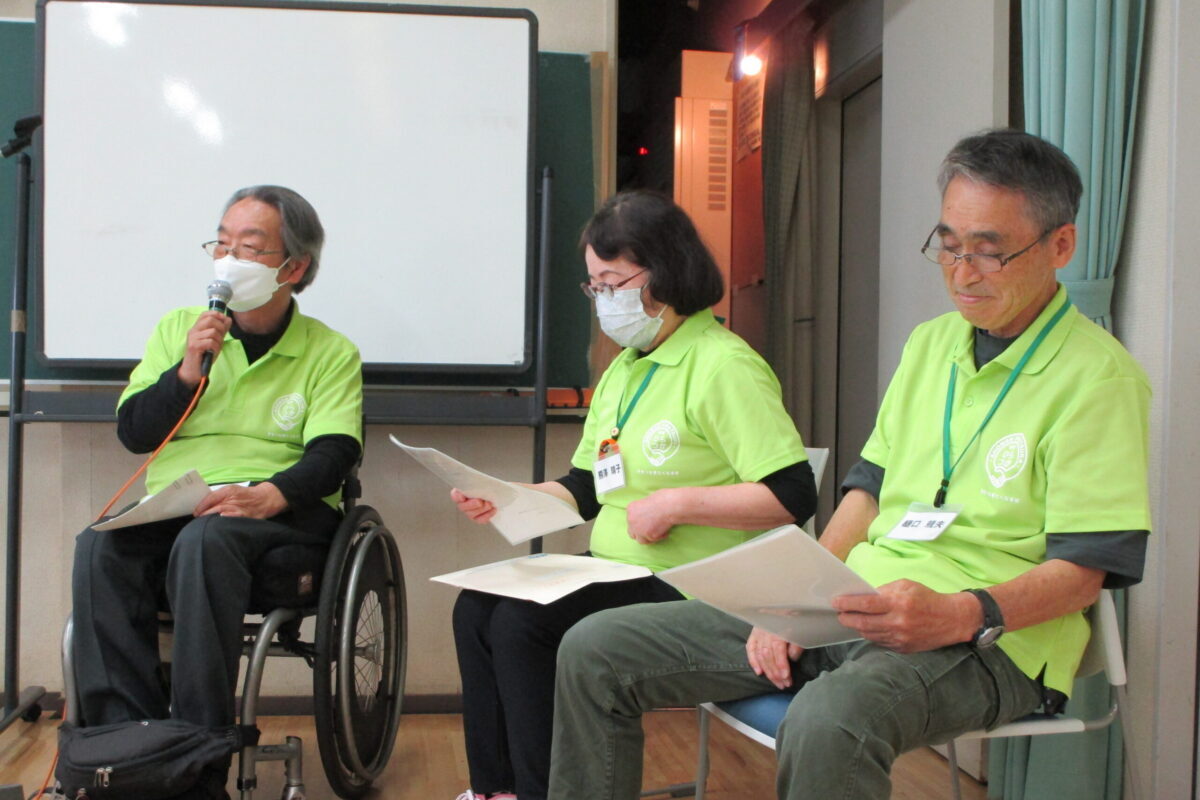
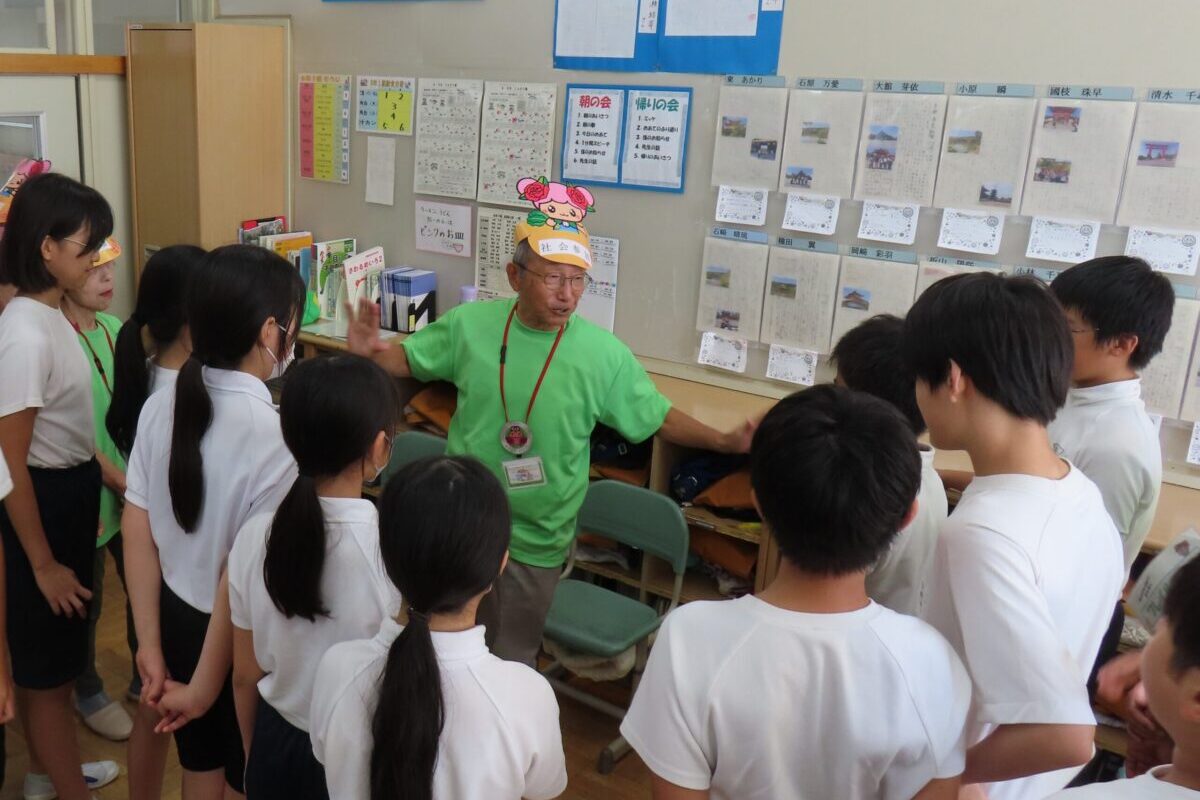
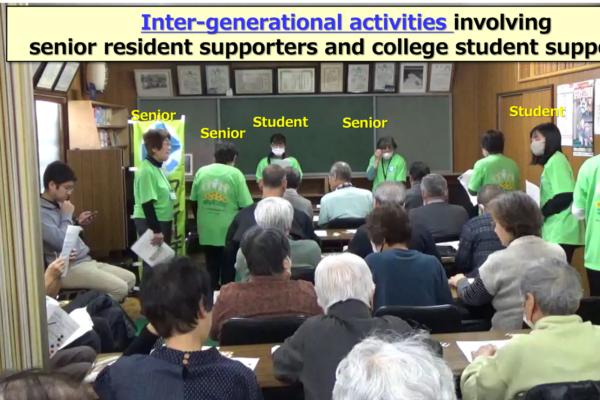
The researchers also confirmed that the Frailty Prevention Supporters themselves benefited as well. They showed an increased awareness of their own health and made modifications to their own daily health behaviors. Moreover, by training thousands of Frailty Prevention Supporters and by providing them with a common uniform, values, and objective, the program allows older people, regardless of age or disability, to transition from being recipients of support to being “contributors to the community,” and it transforms “health” into “connections.”
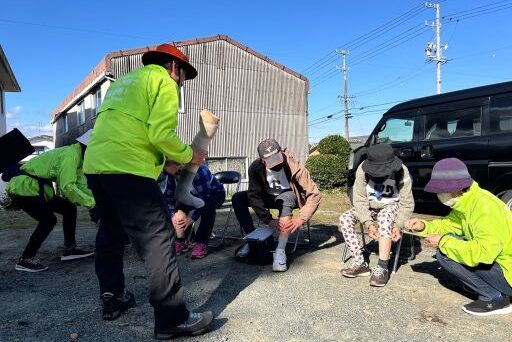
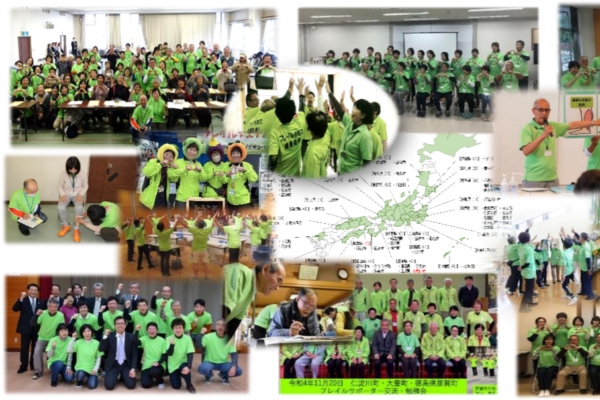
An important aspect in this initiative is that the University of Tokyo–Iijima Model relies on collaboration with and leadership from local governments rather than the university itself. The program provides training for professional “Frailty Trainers” who guide the local “Frailty Prevention Supporters,” and the local municipalities work with local residents to adapt the program to their needs. The locations for the frailty checks were defined not merely as places to be assessed, but as “community hubs” where anyone can drop in. Outreach support was also incorporated, with Frailty Prevention Supporters visiting those who had difficulty travelling. Furthermore, individuals from a wide range of backgrounds—including those in the very high age bracket (from their 90s up to 101 years old) and residents with various disabilities (such as wheelchair users, those who use canes, or individuals who are hard of hearing or use sign language)—are actively participating as Frailty Prevention Supporters.
This innovation is a community-driven activity that engages volunteers and gives them a sense of purpose. The intent is not merely to curb healthcare costs, but to offer a compass for the revitalization of Japan’s local communities, aiming to help every resident regain a sense of pride in being able to “shine as their true selves in their town until the very end.”
As of 2025, these frailty programs were being carried out in 106 towns across Japan with more than 10,000 Frailty Prevention Supporters nationwide, and the model is being introduced in other parts of Asia as well. In addition, the university holds monthly online meetings and annual gatherings to promote the sharing of lessons and data among the various programs and strengthen the sense of unity among participating groups, and the lead professor from the University of Tokyo conducts frequent advisory tours to meet with the different groups as well.
This innovation was selected based on the importance of a university taking a community-based, bottom-up approach to addressing the specific challenge of frailty, ensuring the project’s sustainability through local ownership and a peer-to-peer model that allows it to reach underserved populations within Japan and with the potential to expand overseas.
KEYS TO SUCCESS
- It’s important to offer persuasive, easy-to-understand evidence. This initiative succeeded in encouraging behavioral change among residents based on scientific evidence, rather than mere rhetoric.
- Rather than treating older people as needing support, they are given the role of Frailty Prevention Supporters. That sense of self-efficacy—the feeling of being of use to someone else—serves as the greatest driving force in maintaining the supporters’ own health and enabling them to carry out their activities autonomously and sustainably.
- Through a cyclical model in which experienced supporters mentor new recruits, the activities have become firmly rooted in the local communities, ensuring their continuity.
- Although activities are locally driven, there are monthly online progress meetings for Frailty Prevention Supporters nationwide, providing a platform where they can encourage one another and learn from one another’s experiences.
- Specialist knowledge must be translated into a “common language” in order to offer a program that non-experts in the community can carry out without relying on professionals in the day-to-day operations. By being easy to understand and implemented with enjoyment in mind—such as by carrying out measurements in a lively, laughter-filled atmosphere at local community centers—the program makes it easier to engage those who are otherwise indifferent to health matters, thereby increasing retention rates.
- By collaborating with local governments and creating a comprehensive package covering training, data utilization, and leadership development, the model is highly versatile and replicable.
FINANCIAL STRUCTURE
This project does not rely on external ad hoc funding but instead makes use of local governments’ existing budgets for “Community Support Programs (General Care Prevention Program).”
By having resident supporters (unpaid volunteers) take charge of day-to-day operations, labor costs are significantly reduced.
The university separately raises research funds, but those are not channeled into the operational budgets of the respective local communities.
LINKS