
AI-Based Locomotive Syndrome Detection Device
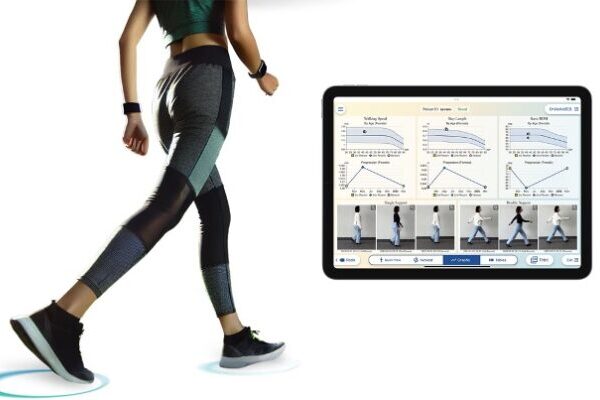
The concept of locomotive syndrome (LS) refers to reduced mobility due to impairment of the musculoskeletal system, which is a major contributor to the need for long-term care. A group of medical and technology researchers has developed a gait analysis device that uses AI to assess LS quickly and simply by just having older people walk a few meters in front of a camera.
Mobility Support Using Electric Carts to Improve the Health and Wellbeing of the Older People in the Community
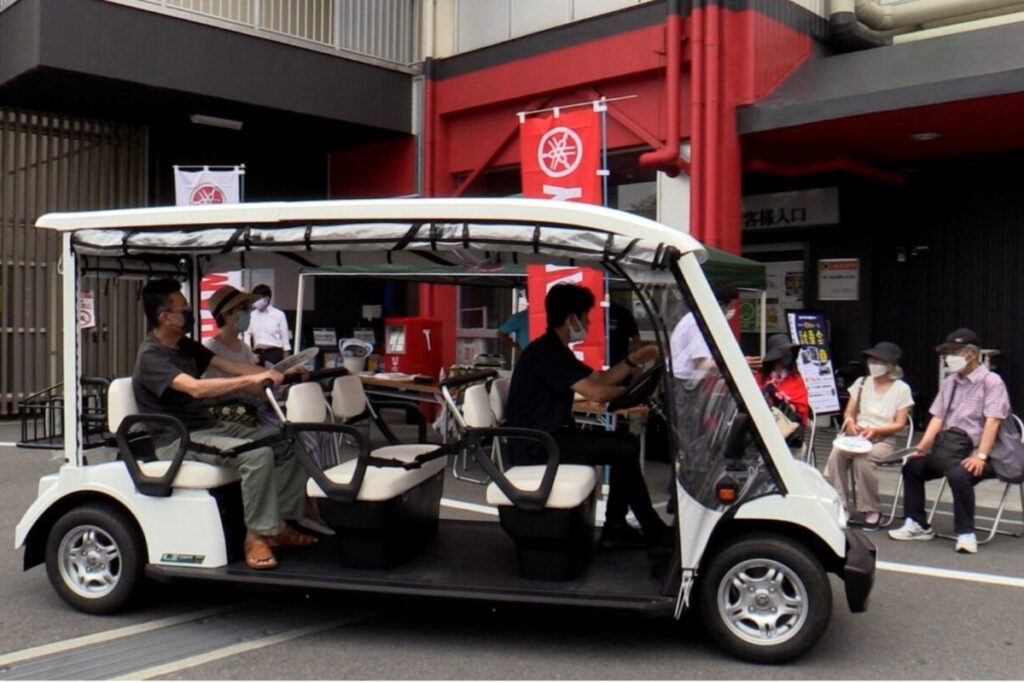
Mobility is crucial for older adults to live healthy, active, and rewarding lives. Research institutes at Chiba University and Nihon Fukushi University worked with Yamaha Motor Co. and several local governments to address this problem by introducing electric carts that could be used on public roads in the community. They introduced an operational model that is easy for older people to use and easy for governments to implement.
Project to Prevent Frailty, Locomotive Syndrome, and Dementia
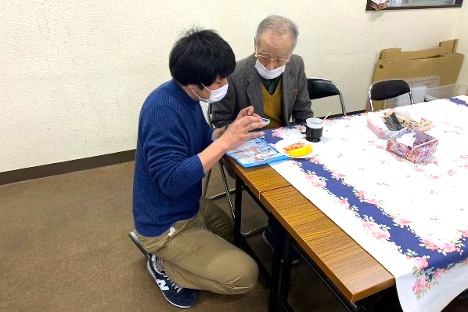
Launched in 2017 as an industry-government-academia project, this initiative offers activities that contribute to the extension of healthy life expectancy among residents of Kaizuka City, focusing on health checks, exercise classes, and volunteer training projects.
0084 Community Health Project—Using a Local Company’s Know-How to Promote a Healthier Community
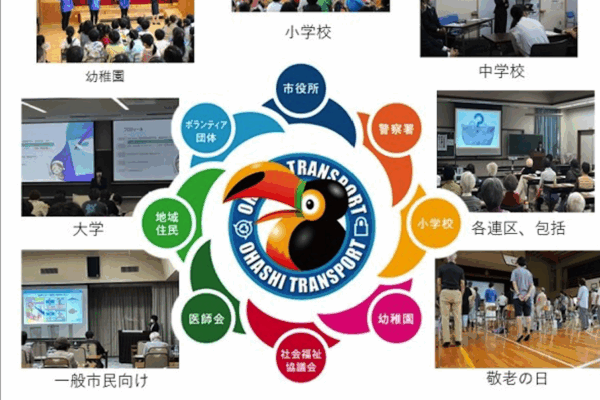
Ohashi Transport Co., a company with headquarters in Seto, had been carrying out in-house health management programs to maintain the mental and physical wellbeing of its employees as a means to improve each person’s vitality and productivity. They recognized that their experience could contribute to the promotion of health for their community, and so began working with the local government to implement a multi-pronged program focused on health education, exercise promotion, and social engagement.
Health Promotion for Elderly in Northeastern Thailand Using Japan’s Self-Sustained Movement (SSM) Program
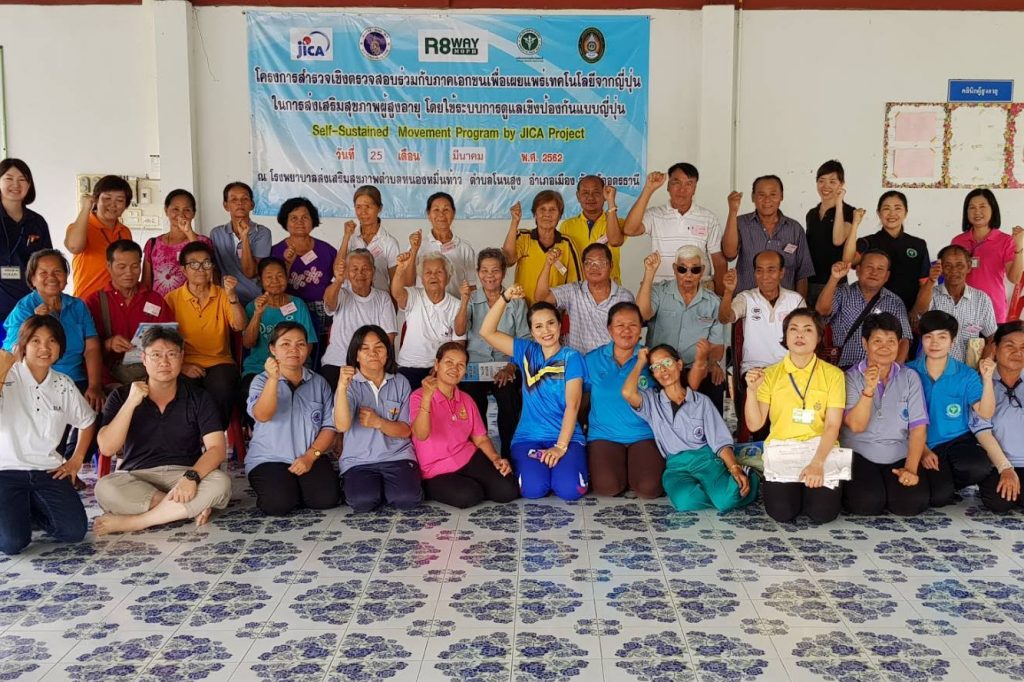
Hatachi Industry has worked in close collaboration with Thai partners to transfer their know-how for a preventative care system that can meet the needs of older Thai people. The program has been particularly effective at identifying and supporting frail older people who may soon require nursing care.
STRONG Program—A Collaborative Municipal-Community Model for Comprehensive Elderly Care
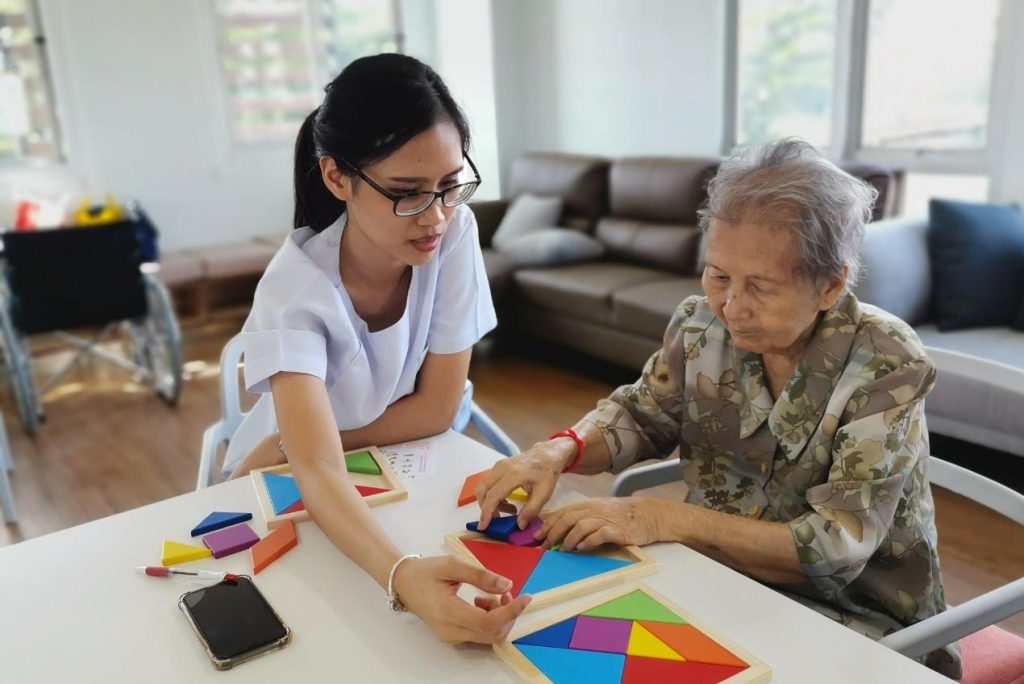
Bueng Yitho municipality uses a bottom-up grassroots approach to provide a continuum of care for older people with a wide range of needs in their community. Based on the success of their program at the local level, they have developed a framework for disseminating STRONG to other local governments in Thailand.
The Matsudo Project: A New Urban Model for Reducing the Need for Long-Term Care in the Post COVID-19 Era

The Matsudo Project offers free online Kayoinoba classes in response to the challenges of its aging population and the COVID-19 pandemic. These classes provide older people with opportunities to connect with each other and across generations and to become more confident to use technology in their everyday lives.
Preventing Stroke Recurrence through a Hospital–Local Government Partnership to Support Patient Self-Management
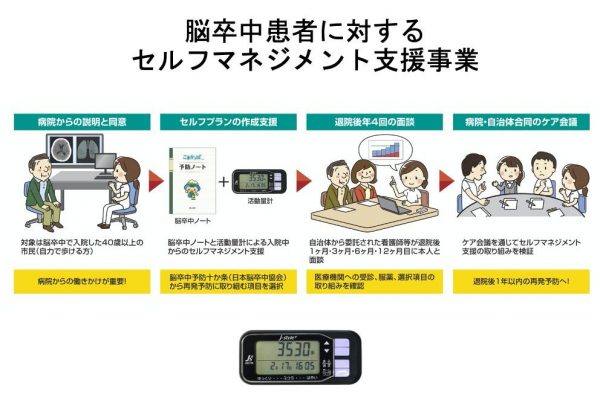
Komagane City, Japan, collaborates with Showa Inan General Hospital to prevent stroke recurrence in older patients. This year-long program starts at hospitalization and includes patient education, self-monitoring, and consultations. By focusing on mild stroke patients, recurrence rates dropped from 8% to 4.8%.
Bright Eyes for Older People Program
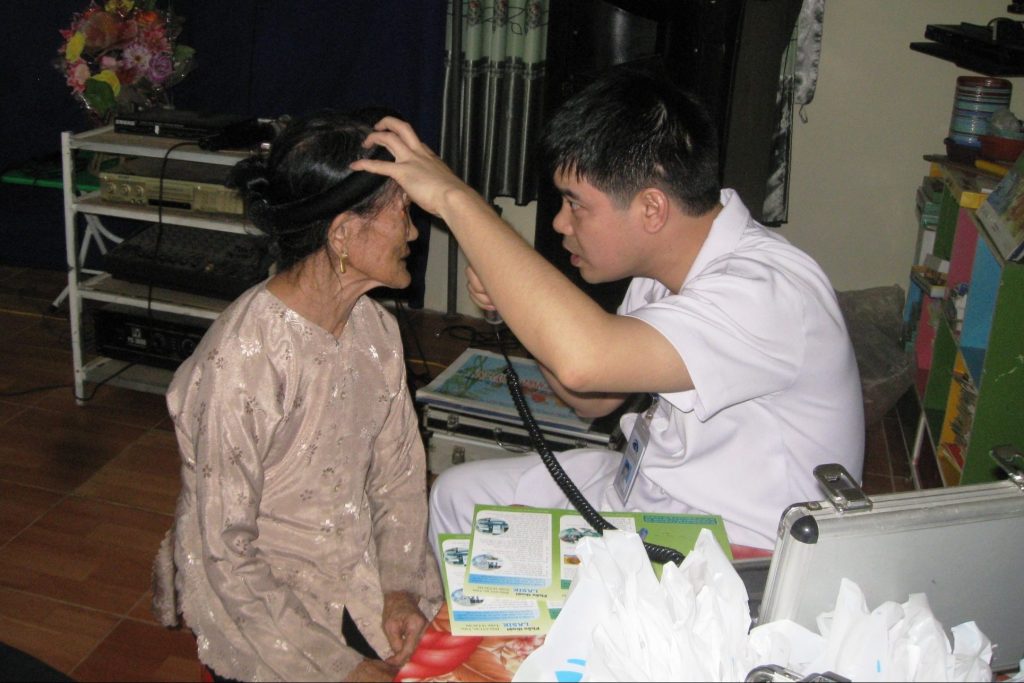
Vietnam’s aging population faces vision loss, impacting their independence. The Vietnam Association of the Elderly launched “Bright Eyes for Older People” in 2012, providing free vision care to millions. This data-driven campaign, backed by partnerships, raised over $22.3 million.