

THE INNOVATION
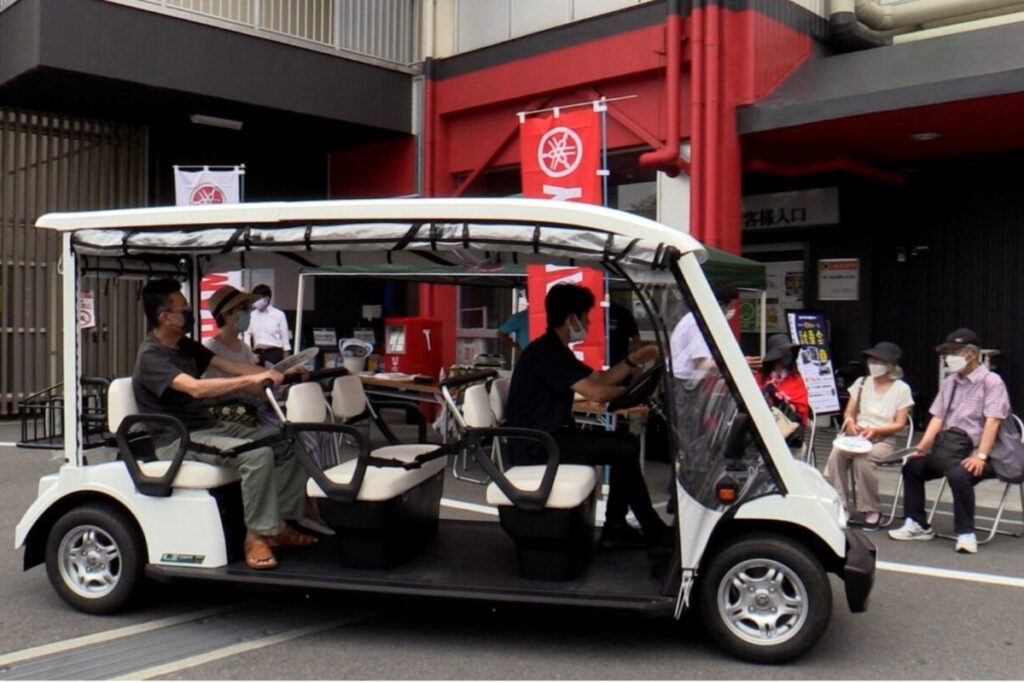
Research institutes at Chiba University and Nihon Fukushi University worked with Yamaha Motor Co. and several localgovernments to address this problem by introducing electric carts that could be used on public roads in the community. They introduced an operational model that is easy for older people to use and easy for governments to implement and conducted trial runs to offer a scientific basis to show that such mobility policies could improve the QOL of older peopleand optimize social welfare costs at the same time.
Electric carts were introduced to provide environmentally friendly transportation to the nearest supermarket, public facilities, bus stops, train stations, etc. Local residents, such as retired men who offered to be volunteers, are responsiblefor operating the electric carts. Coordinating with the relevant parties, the project was explained to local residents, and training was provided for the local residents involved in the operations. Operational support was also offered in the early stages of the project’s introduction. Before the system was launched, they conducted a survey of older people in the area and followed up again later to compare electric cart users with non-users, assessing the improvement in QOL and the optimization of social welfare costs. They also developed operational guidelines in order to enable other localgovernments to smoothly introduce electric carts.
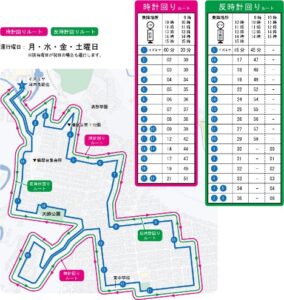
Starting in FY2021 with support from the Japan Science and Technology Agency (JST), short-term demonstrations were carried out in Kawachinagano City, Osaka Prefecture, and other locations that confirmed positive changes in psychological and social indicators due to the introduction of electric carts. From FY2022, the project was replicated in additional locations for a longer period of time to assess both QOL improvements and the impact on social welfare costs, both of which proved to be substantial. For example, those who used the carts reported that their excursions outside the home nearly doubled, and their participation in community events increased more than five-fold. They estimated that the cumulative cost of long-term care benefits over a six-year period decreased by ¥30,000 (approx.USD$200) per user compared to non-users, with the impact increasing over time.
Users appreciated not just the convenience, but the communication with the cart operators and other passengers. The cart drivers also served a community monitoring function, in one case finding and aiding an older resident who had collapsed by the side of the road. There was also an economic impact as some local shops along the cart routes reported an increase in sales after the introduction of the system, and use of the community center also increased. All regions where the system was introduced continued to use the system after the initial trial period.