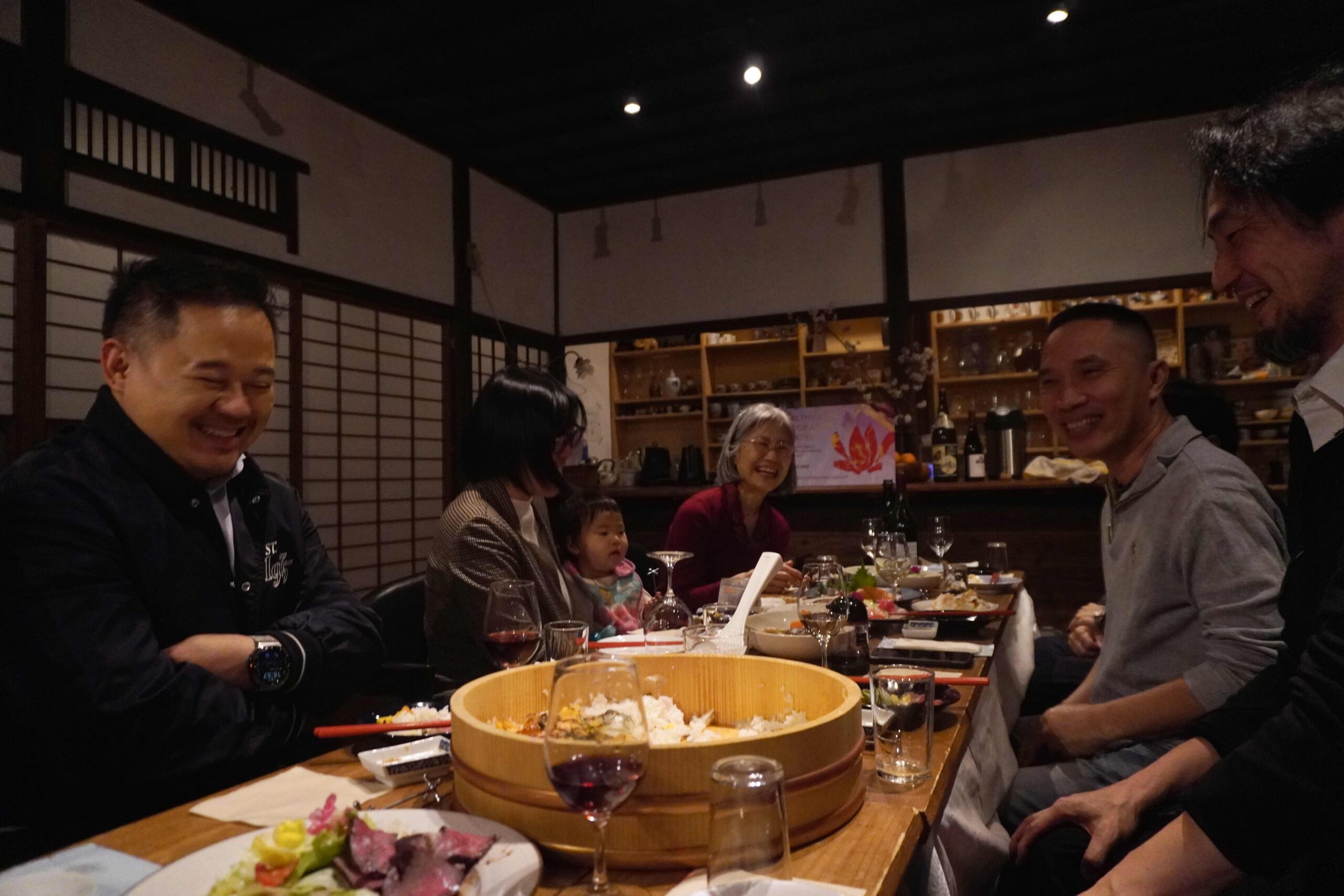
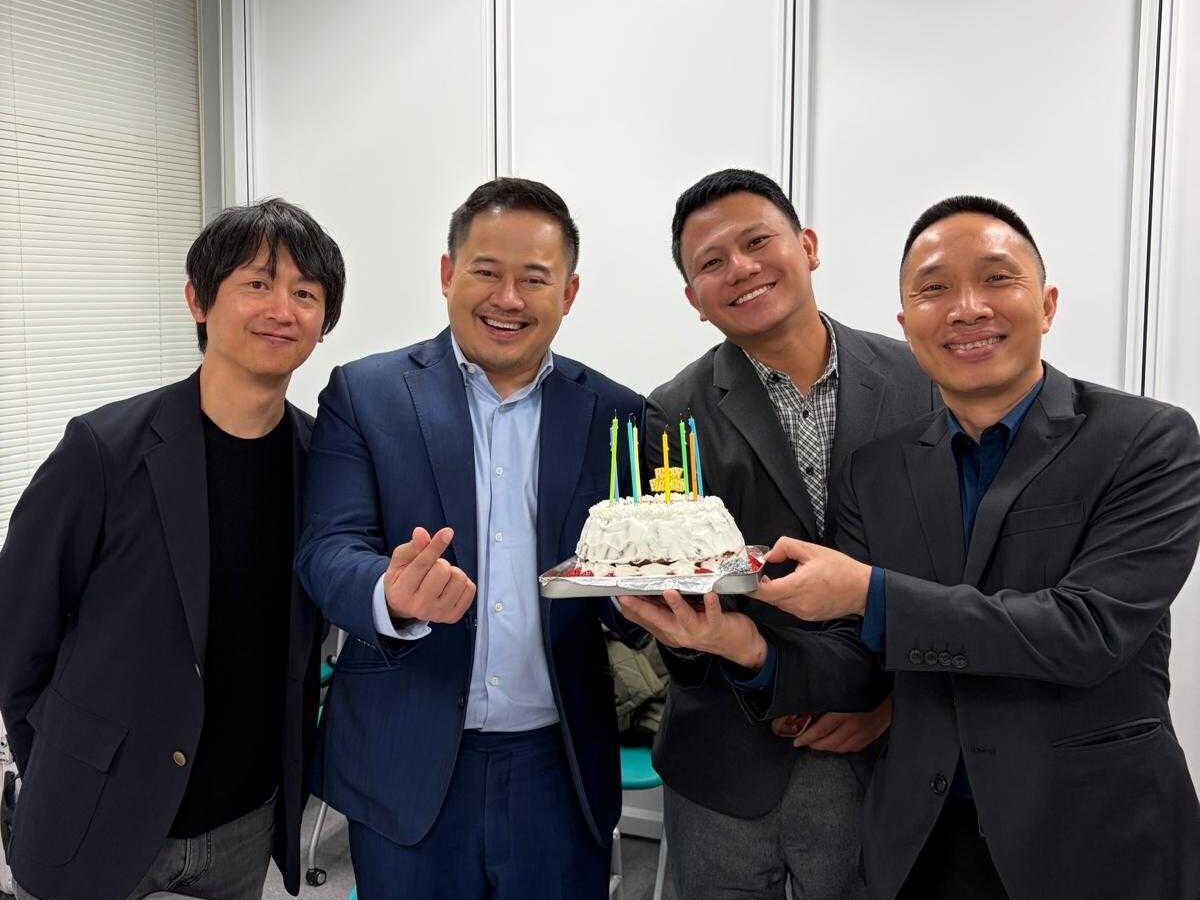
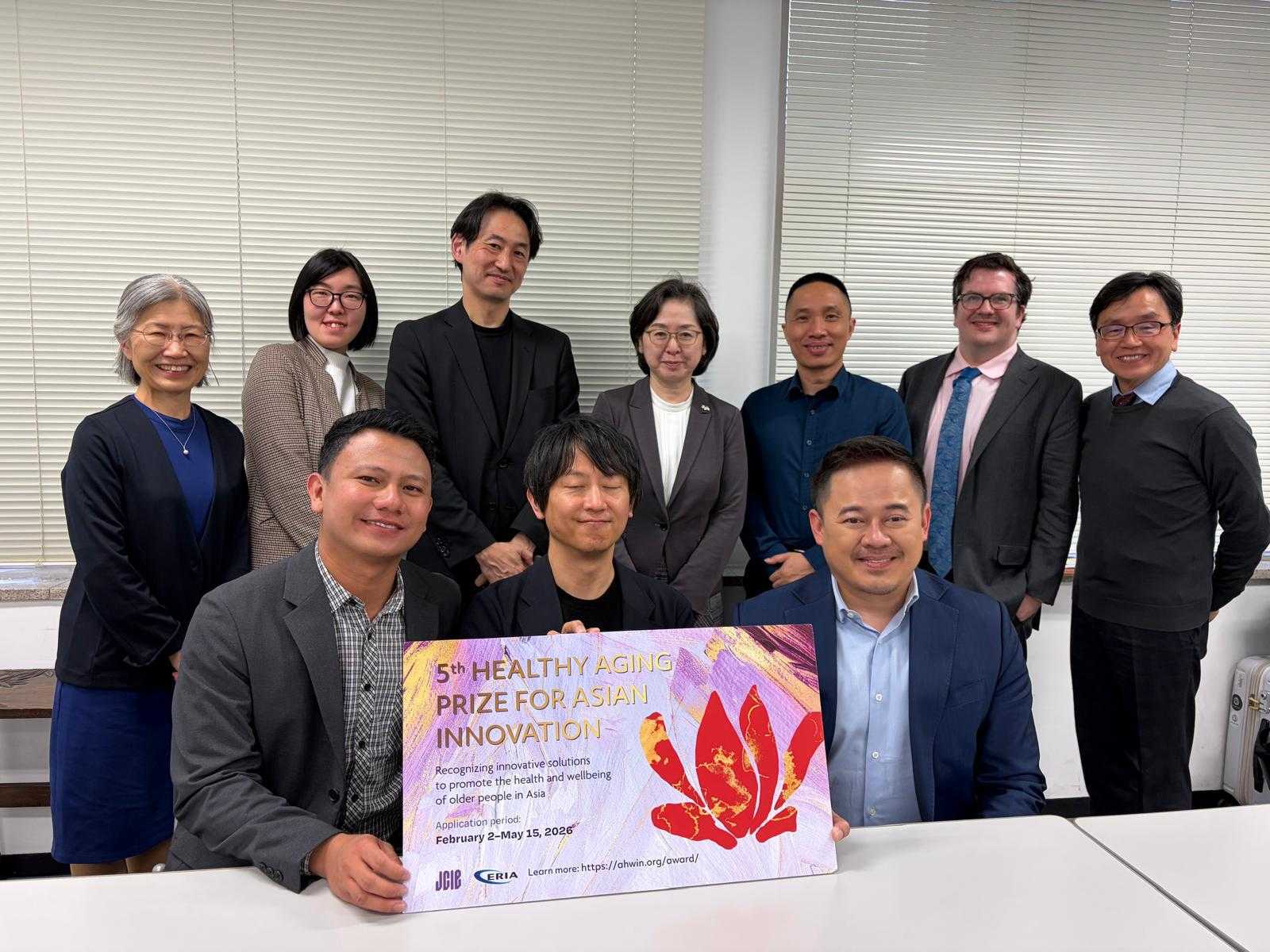
The three Grand Prize winners of the 4th Healthy Aging Prize for Asian Innovation (HAPI) spent one week traveling in Japan for their winner’s tour, which is part of their award package. The tour was designed to strengthen the network between winners and to assist them in leveraging their HAPI award to scale up or replicate their work more broadly. It provided opportunities for them to share their achievements and connect with diverse stakeholders, from community-led organizations and startups to national-level policymakers and multinational businesses. The tour helped spark ideas for new collaboration between HAPI winners and those they met with, and it provided important validation and recognition for their innovative approaches to promoting the health and wellbeing of older adults. You can learn more about each of the winning organizations that participated in the tour by following the links in the participant list at the bottom of the page.
Hiroshima Program
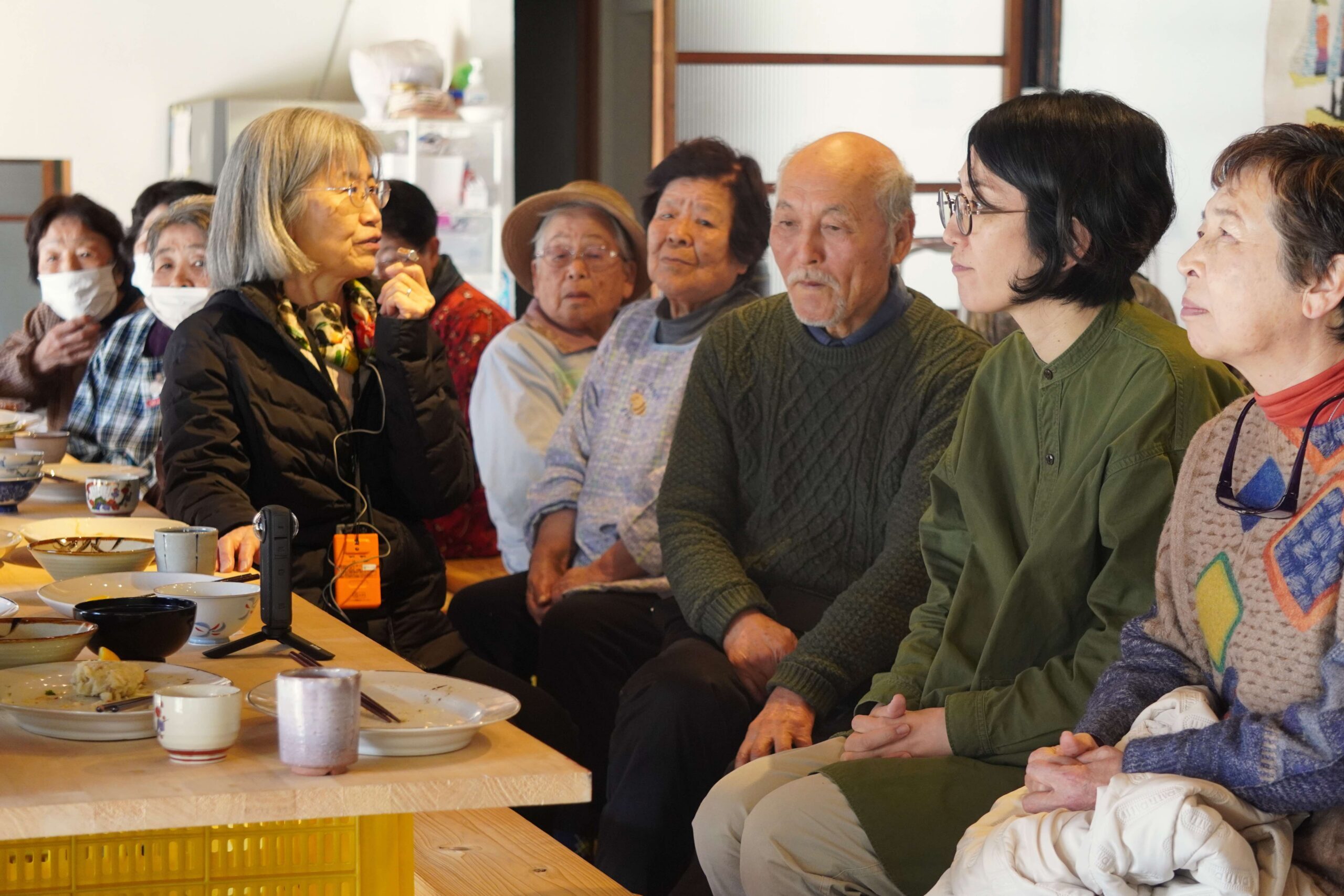
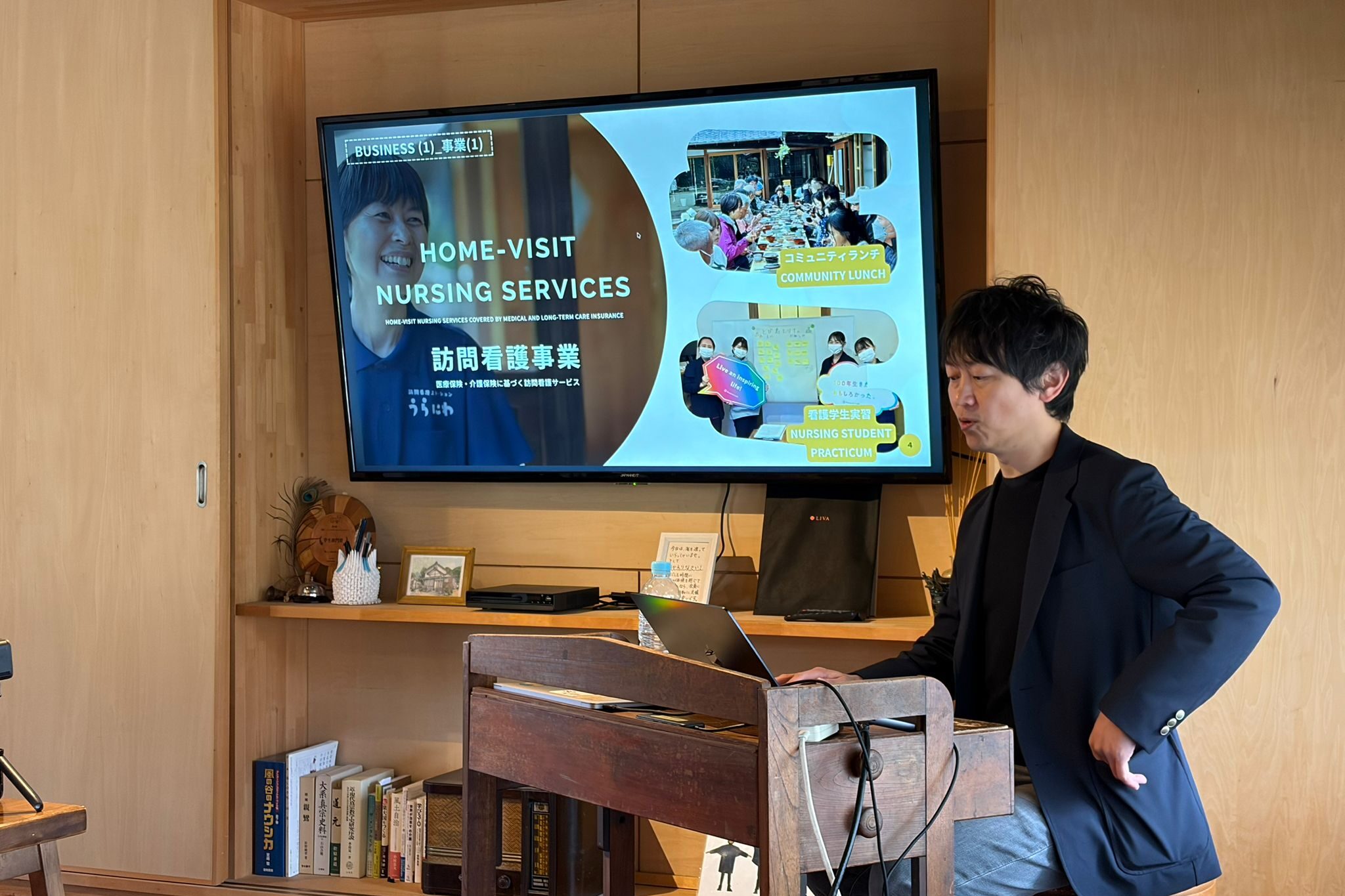
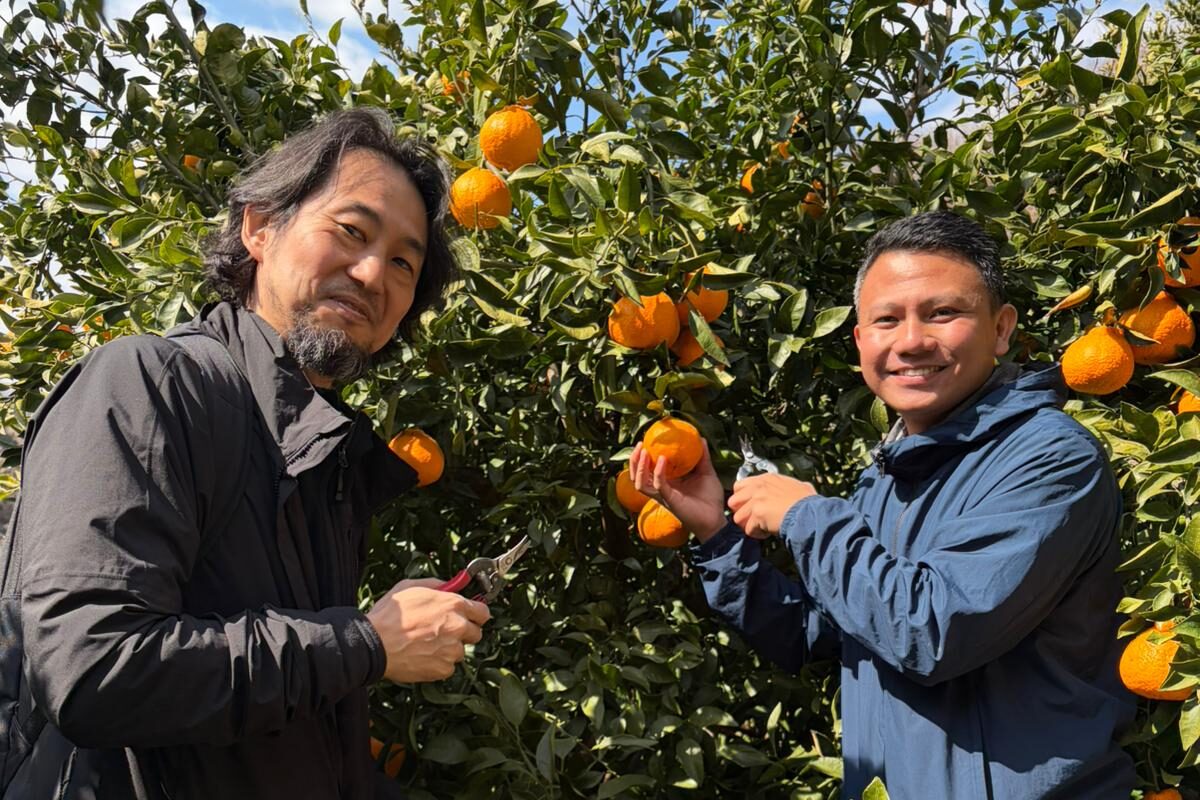
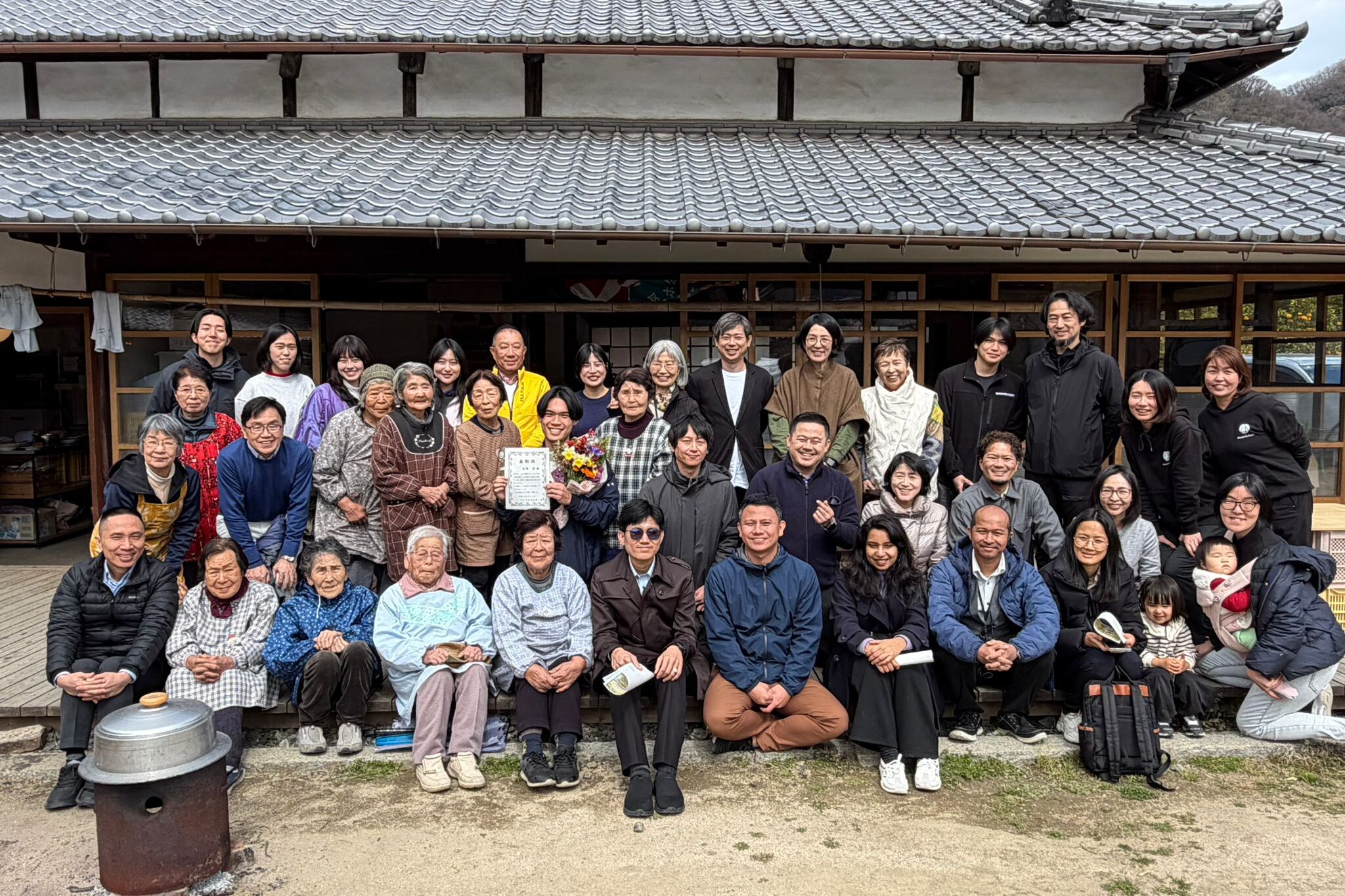
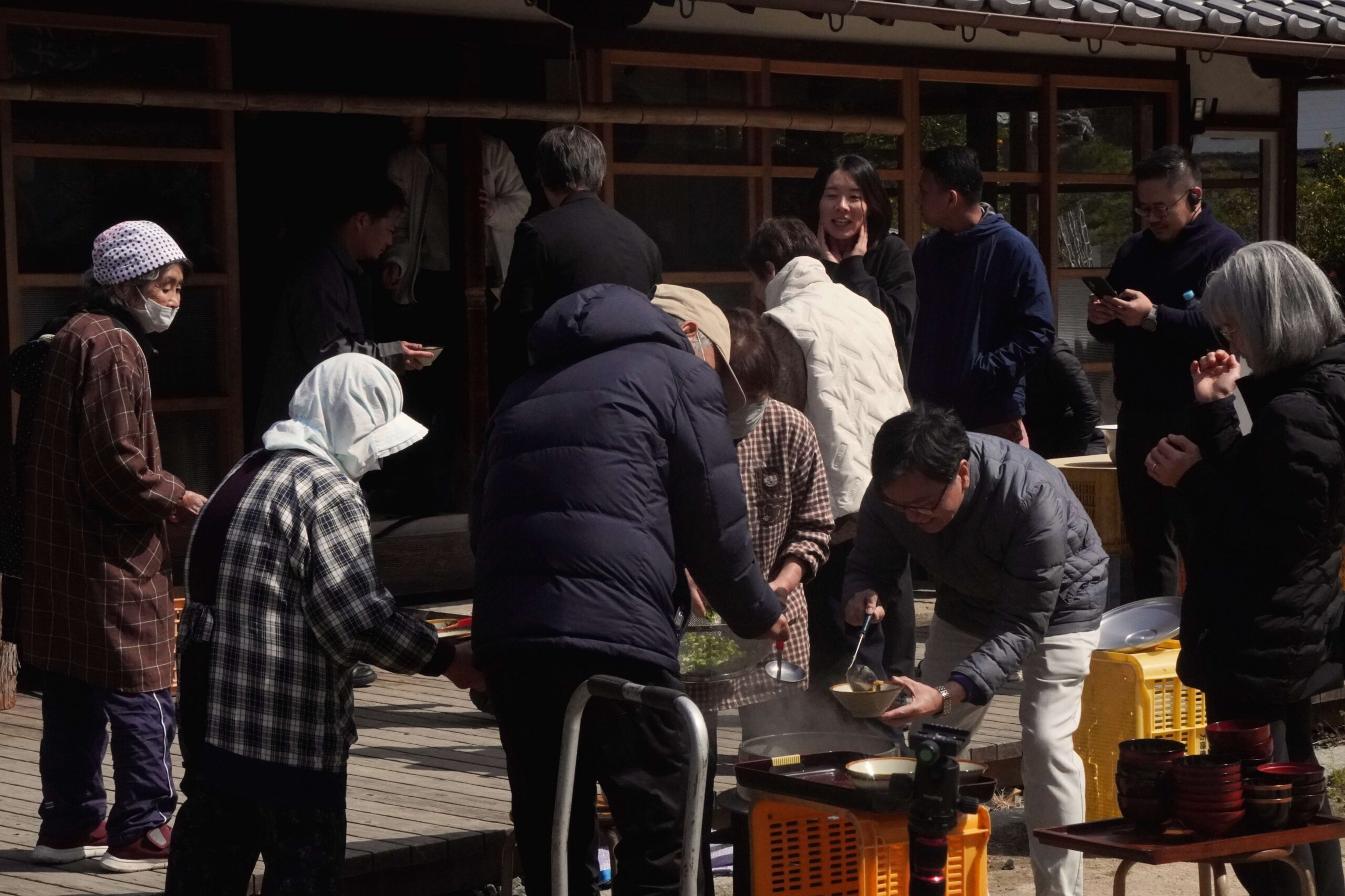
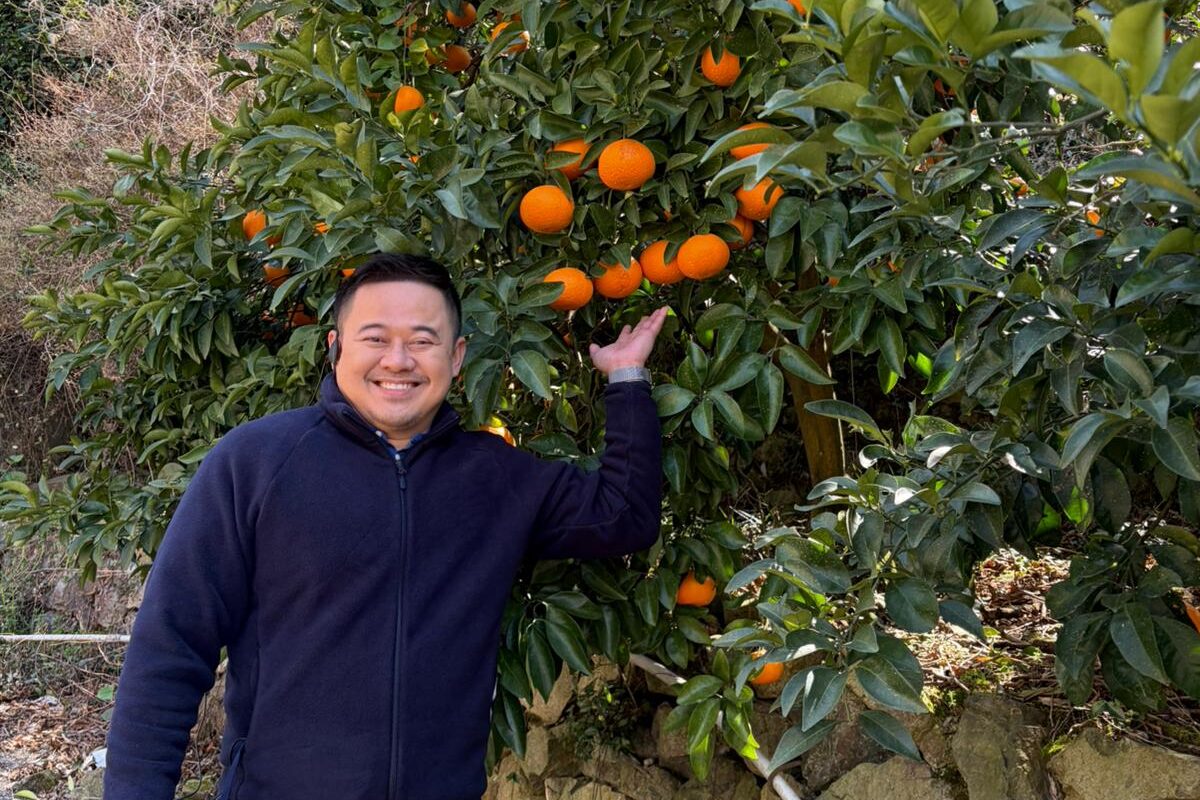
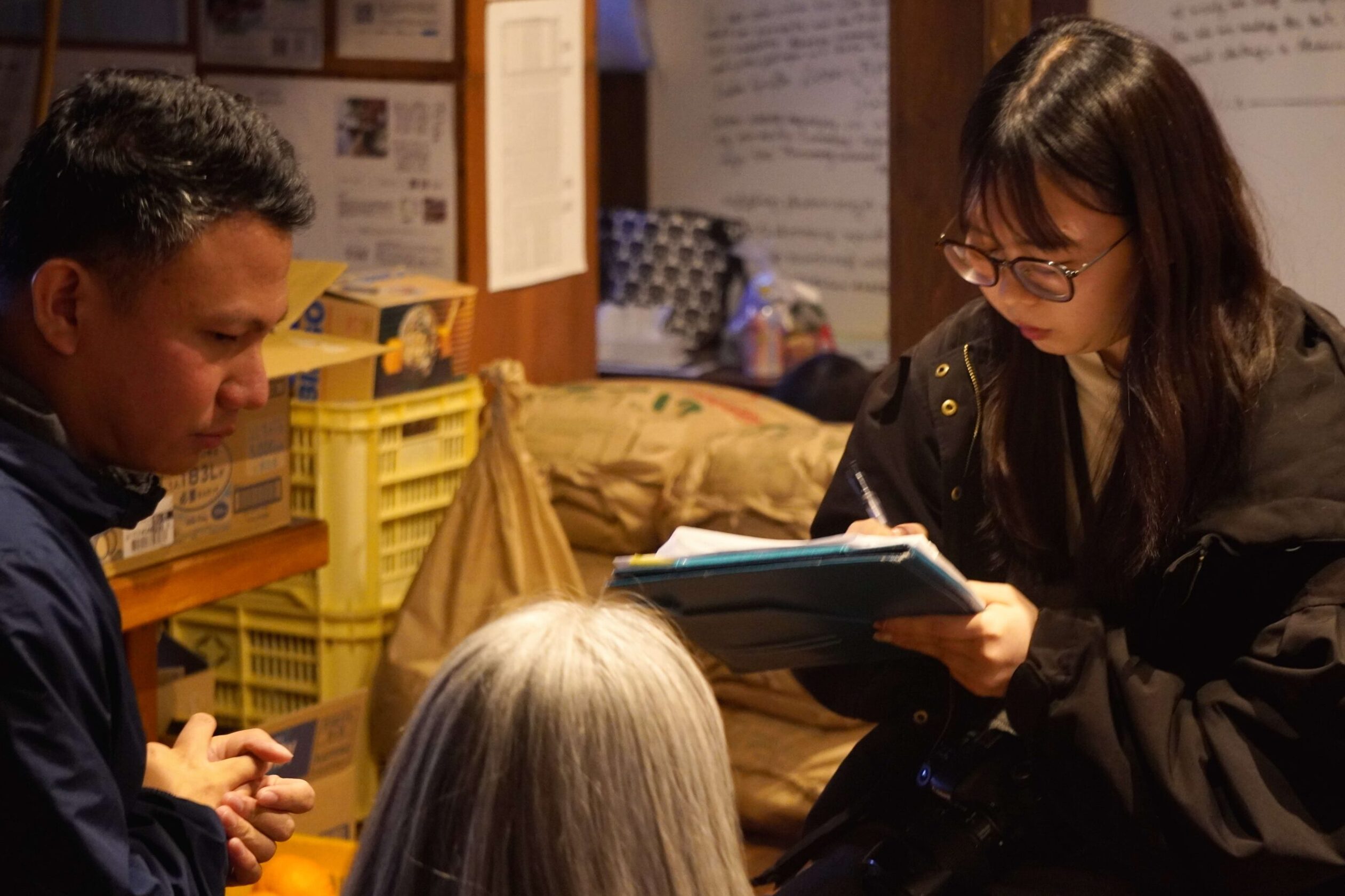
Participants spent the first three days in Hiroshima Prefecture, where they were hosted by Japan-based HAPI winner Nurse & Craft and had the chance to directly witness on-the-ground community-based activities to promote healthy aging and address depopulation in isolated rural communities. They kicked off this part of the trip with two days on Osaki-Shimojima Island, where Nurse & Craft is based. They were introduced to Nurse & Craft’s service, “STARTWELL,” which integrates regular health checks and individual assessments using IoT devices, promoting preventive care in rural areas that face shortages in healthcare resources. They also visited Yuzu Inc., a company that is using innovative models for residential care to enhance the wellbeing and quality of life of older persons. Finally, during their stay at the island, participants experienced community regeneration activities led by the Mamena project, observing how communities can value and care for their elders while helping them remain active and connected. They were able to join a community lunch event and also had a unique opportunity to try picking “dekopon,” a type of mandarin orange that is grown on the island
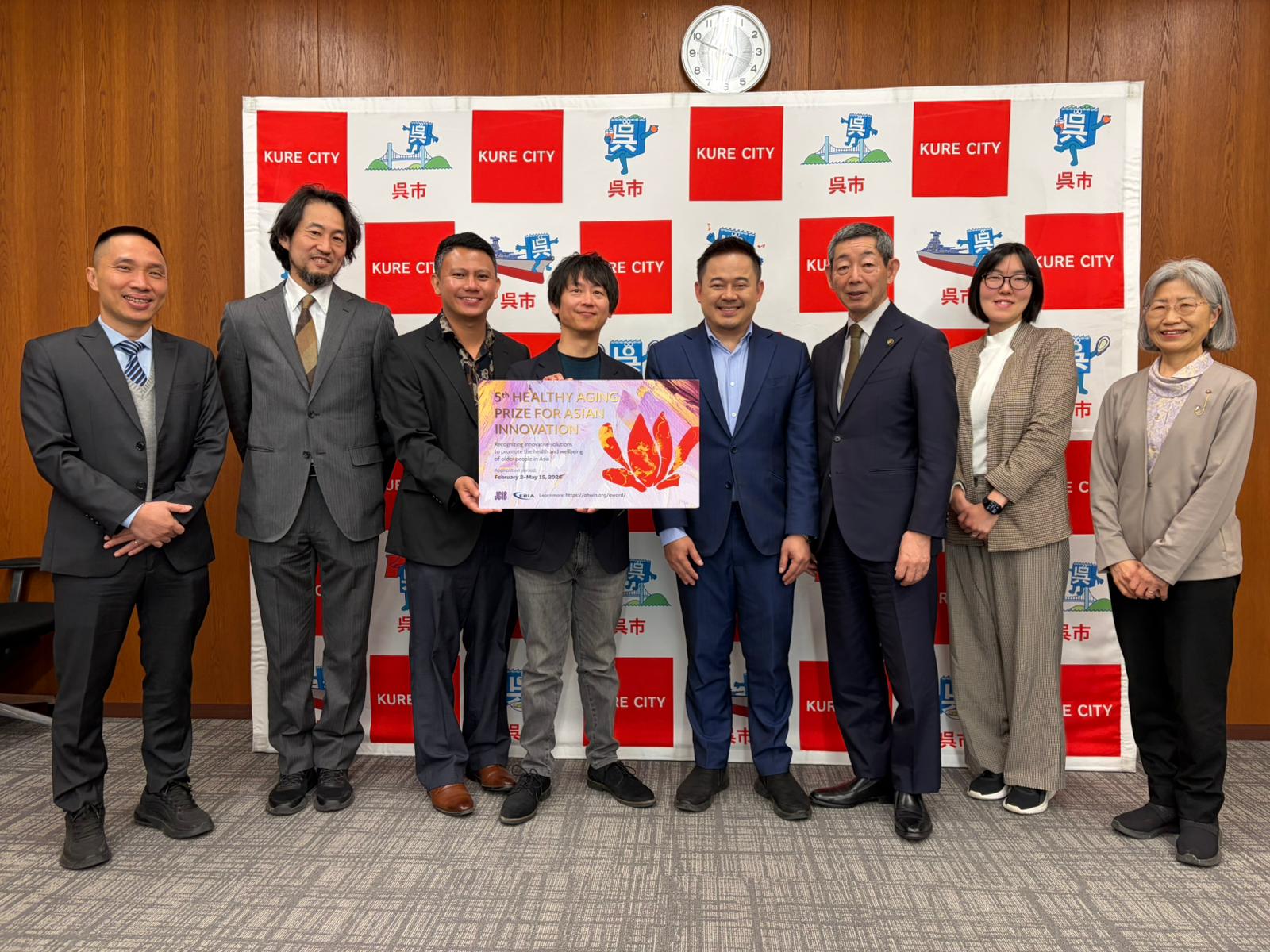
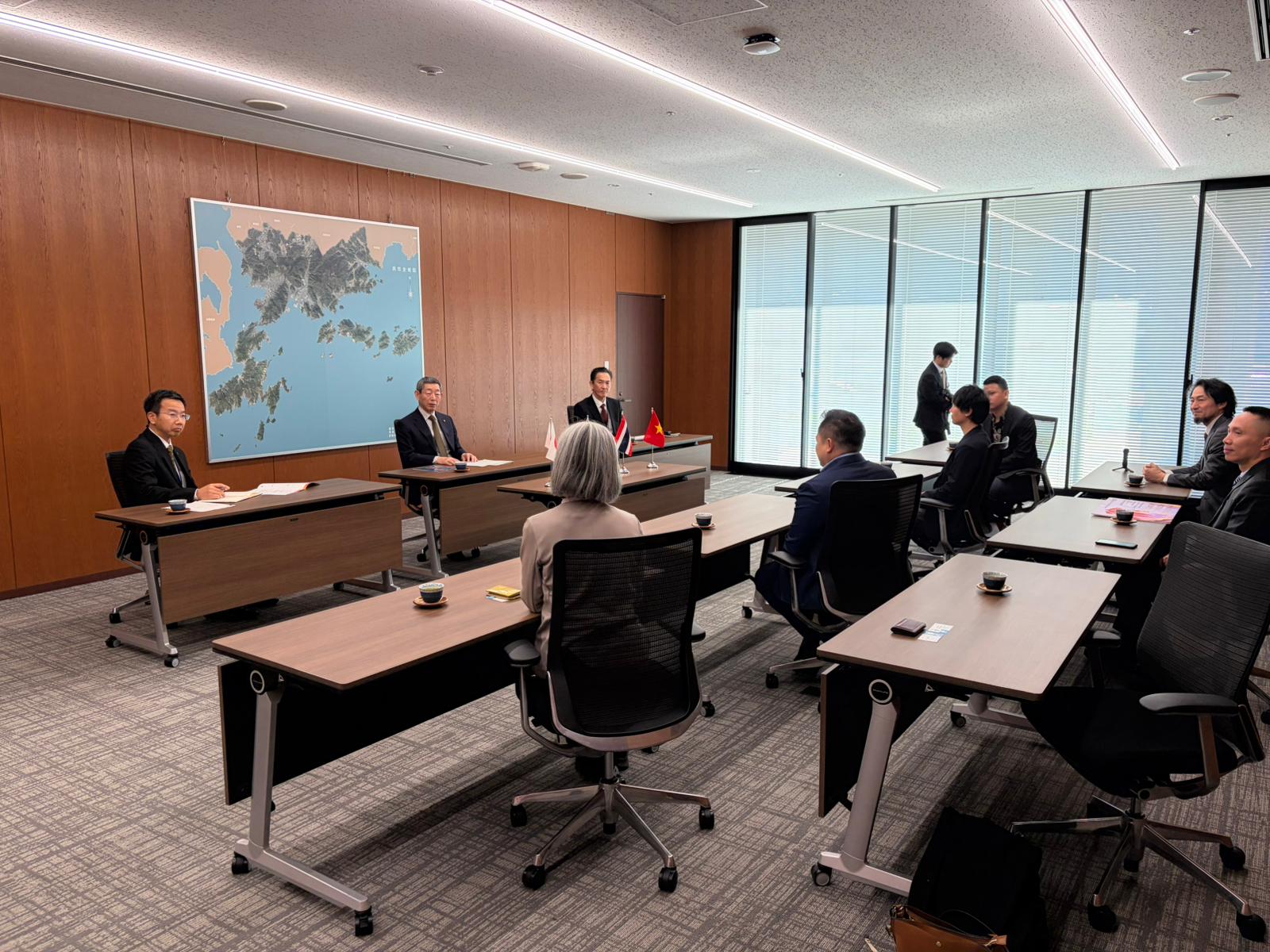
Participants then visited Kure City, where they met with Mayor Yoshiake Shinhara to exchange views on good governance and community development. During the meeting, the mayor emphasized the importance of local governments supporting community initiatives through appropriate resources and systems, while allowing communities themselves to lead and take ownership of their projects. This perspective resonated strongly with participants, who reflected on how stronger government support combined with community leadership could help foster more inclusive, healthy, and resilient communities in their own countries. The discussion also highlighted the value of continued partnerships and cross-country learning in advancing community-driven development.
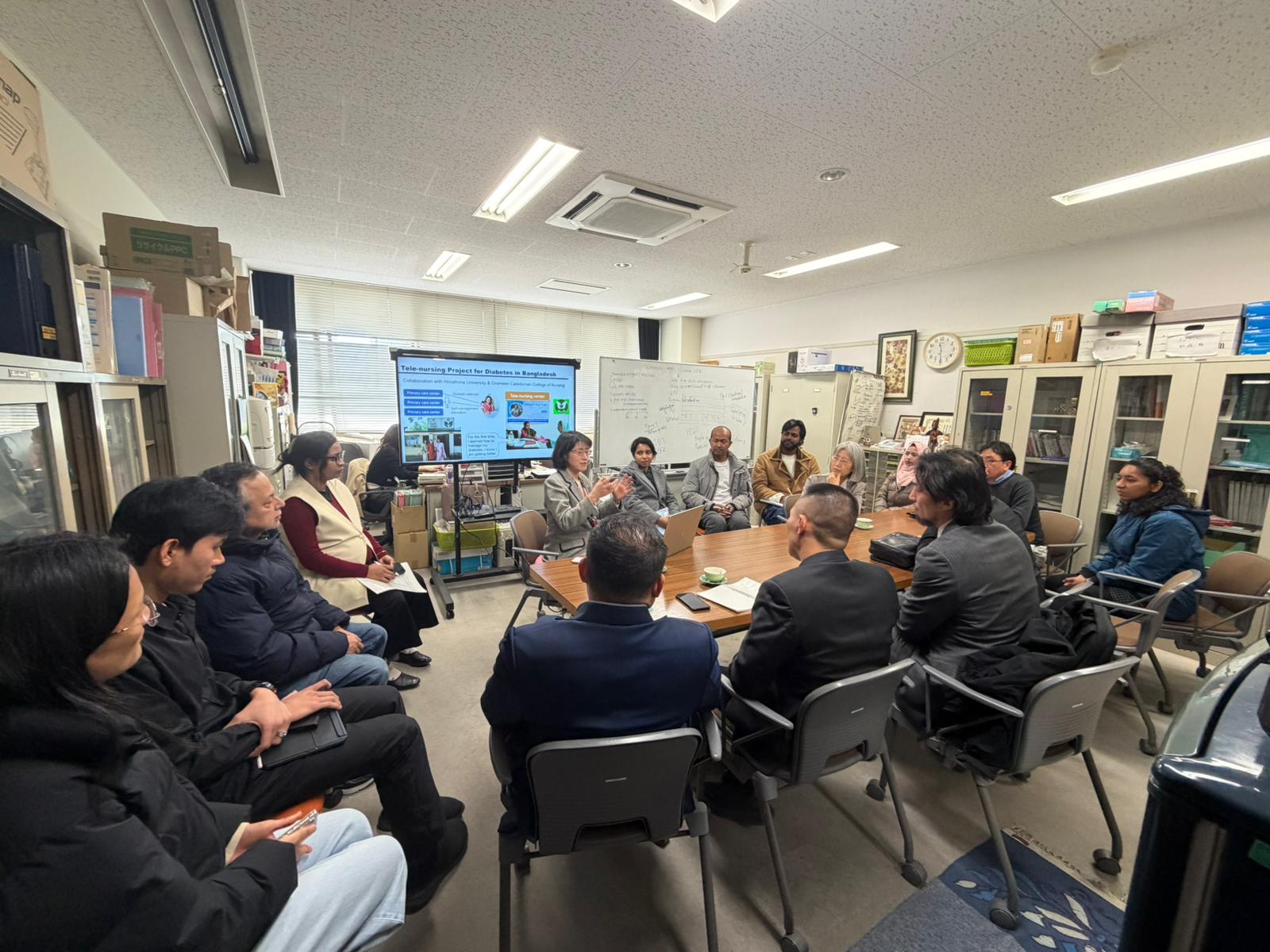
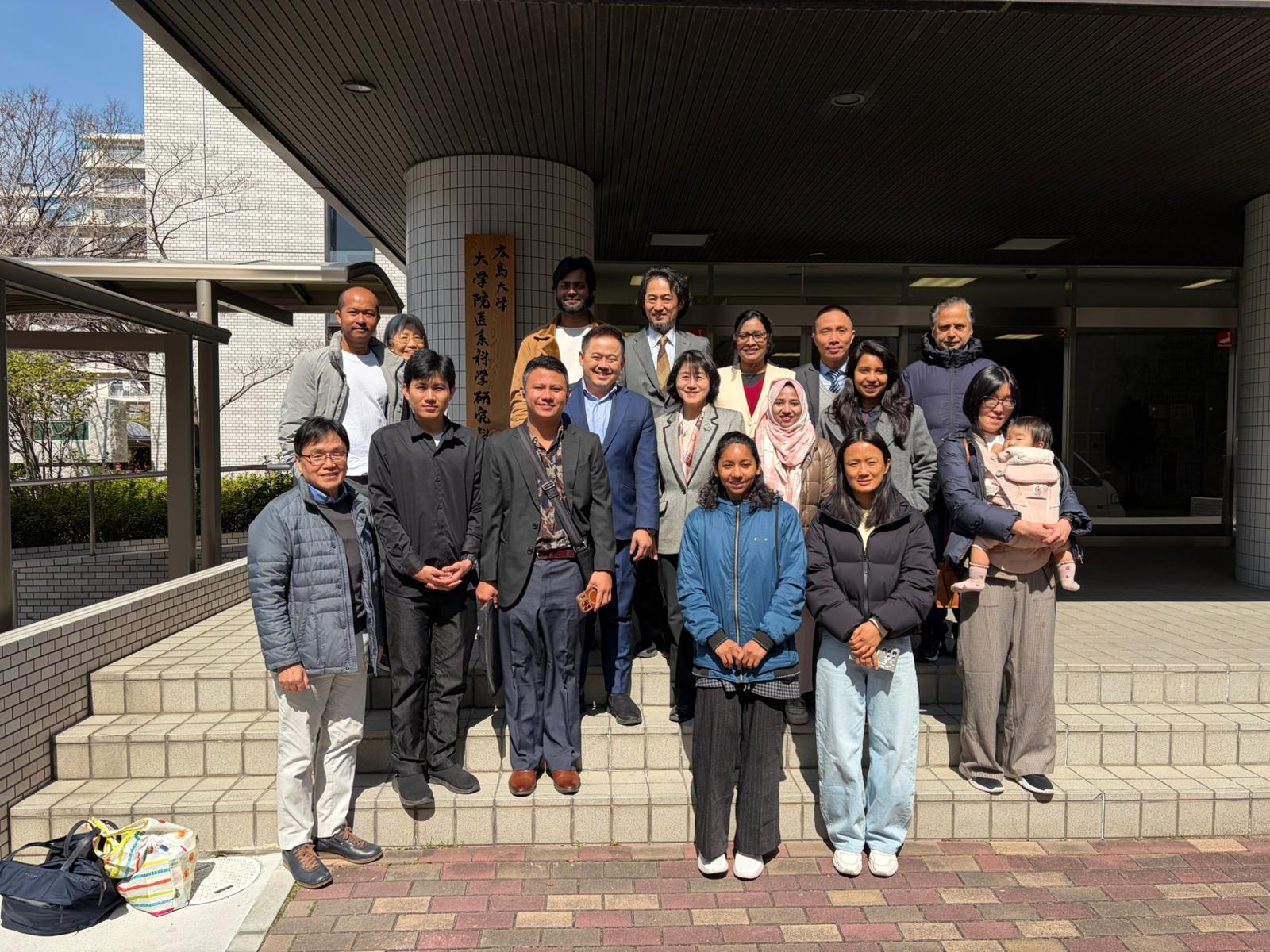
Finally, to conclude their time in the prefecture, they traveled to Hiroshima University’s Graduate School of Biomedical and Health Sciences for a visit hosted by Professor Michiko Moriyama, who introduced her work on tele-nursing initiatives in Japan and several international cooperation projects she conducts with JICA. The roundtable was joined by international students from Bangladesh, Cambodia, Nepal, and so on, who provided valuable insights and cross-cultural perspectives on aging and care.
Tokyo Program
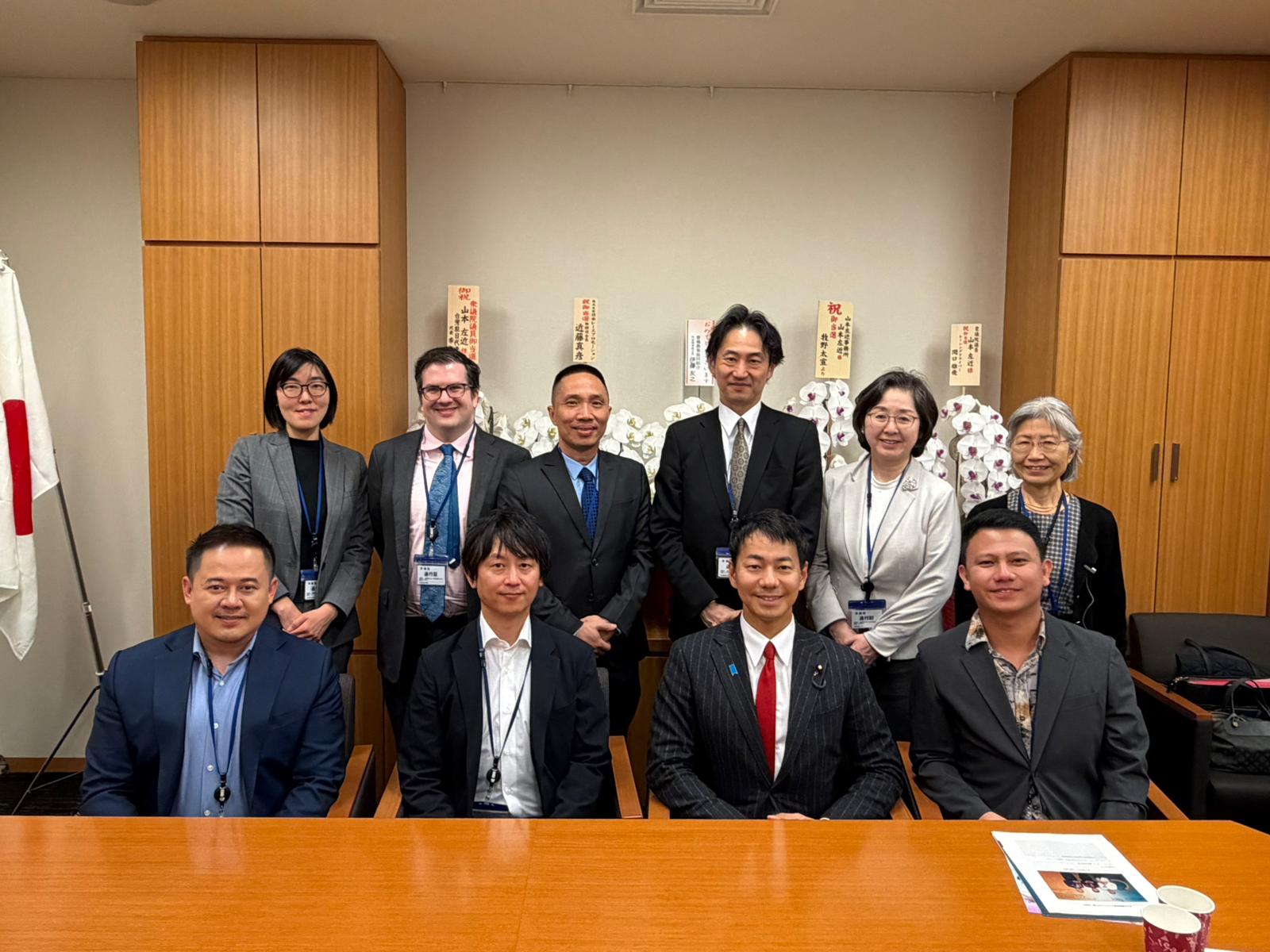
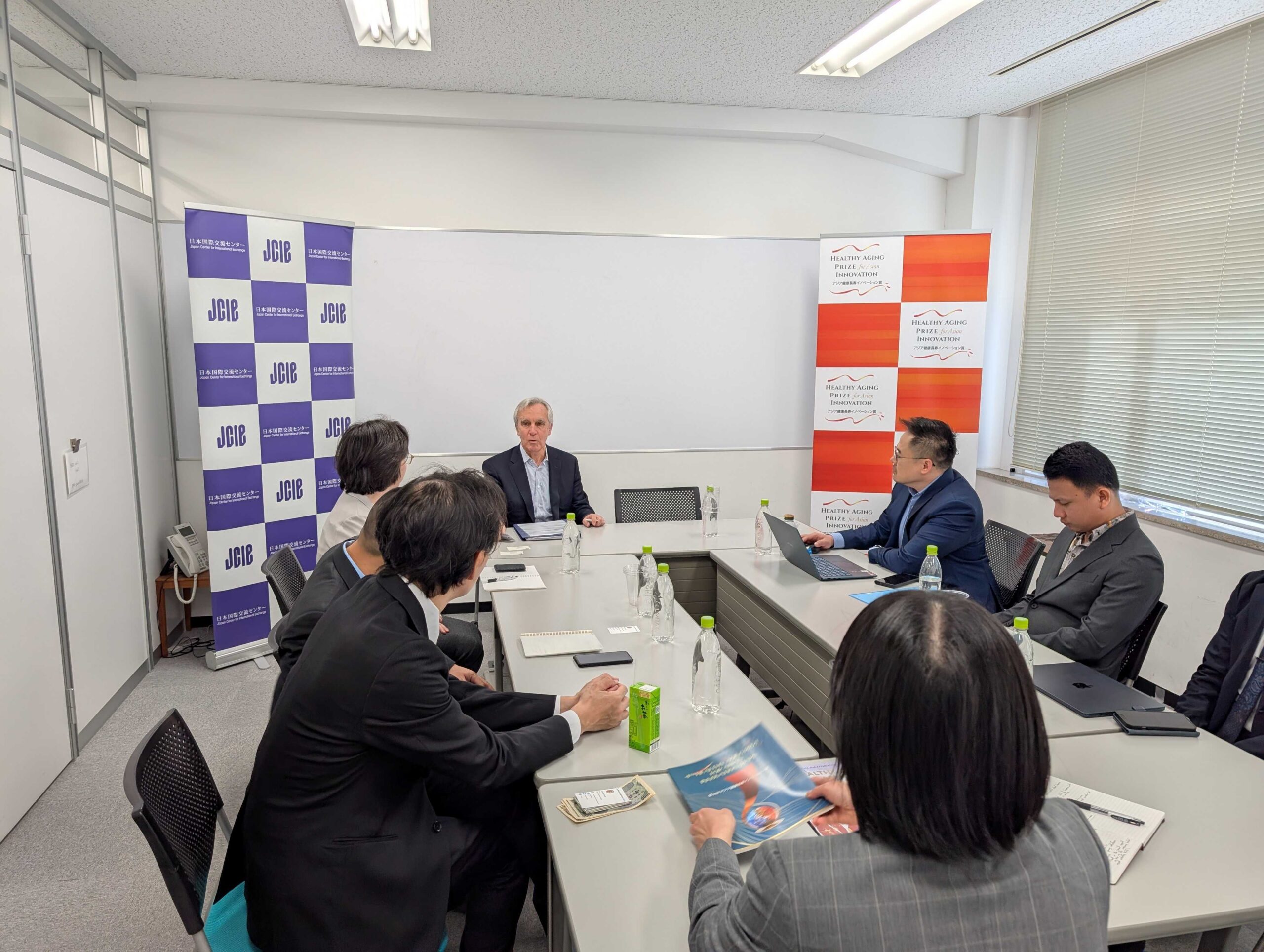
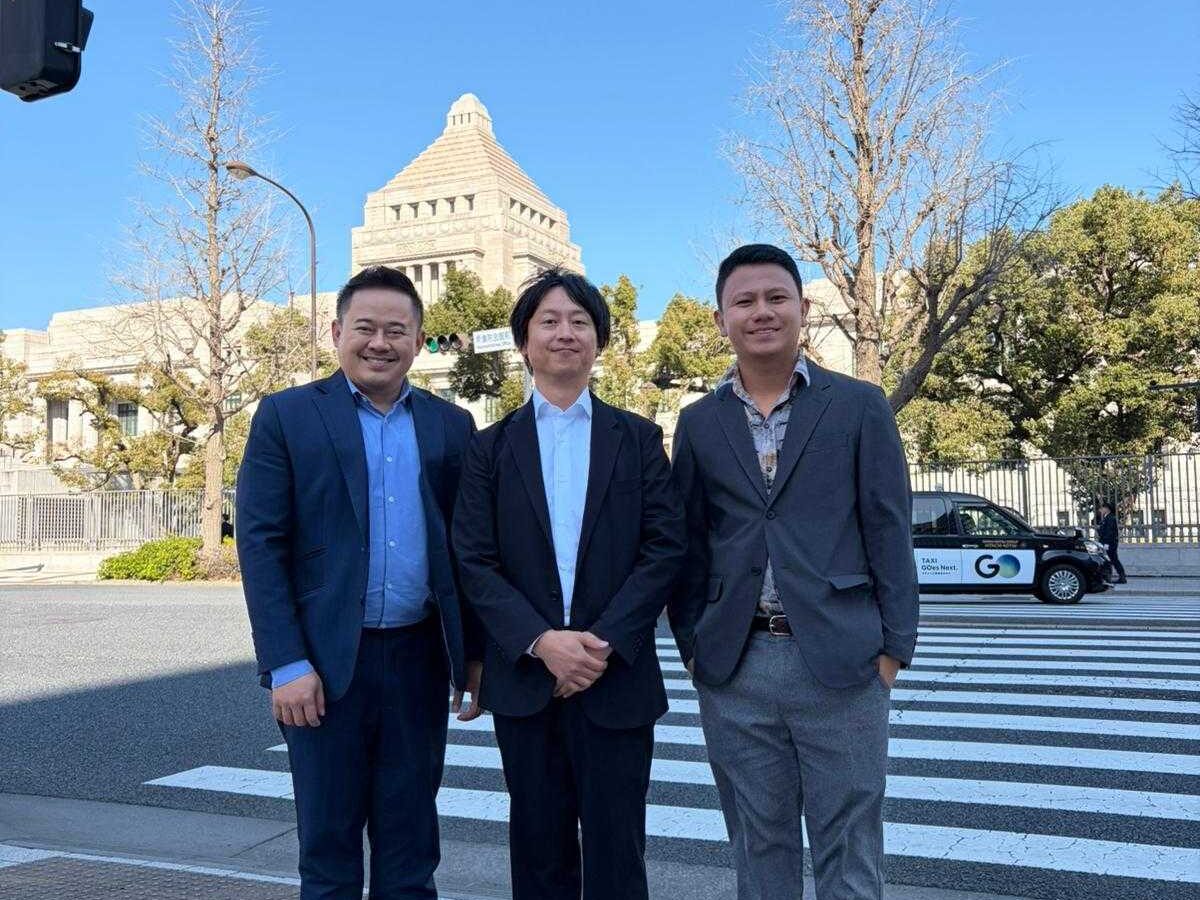
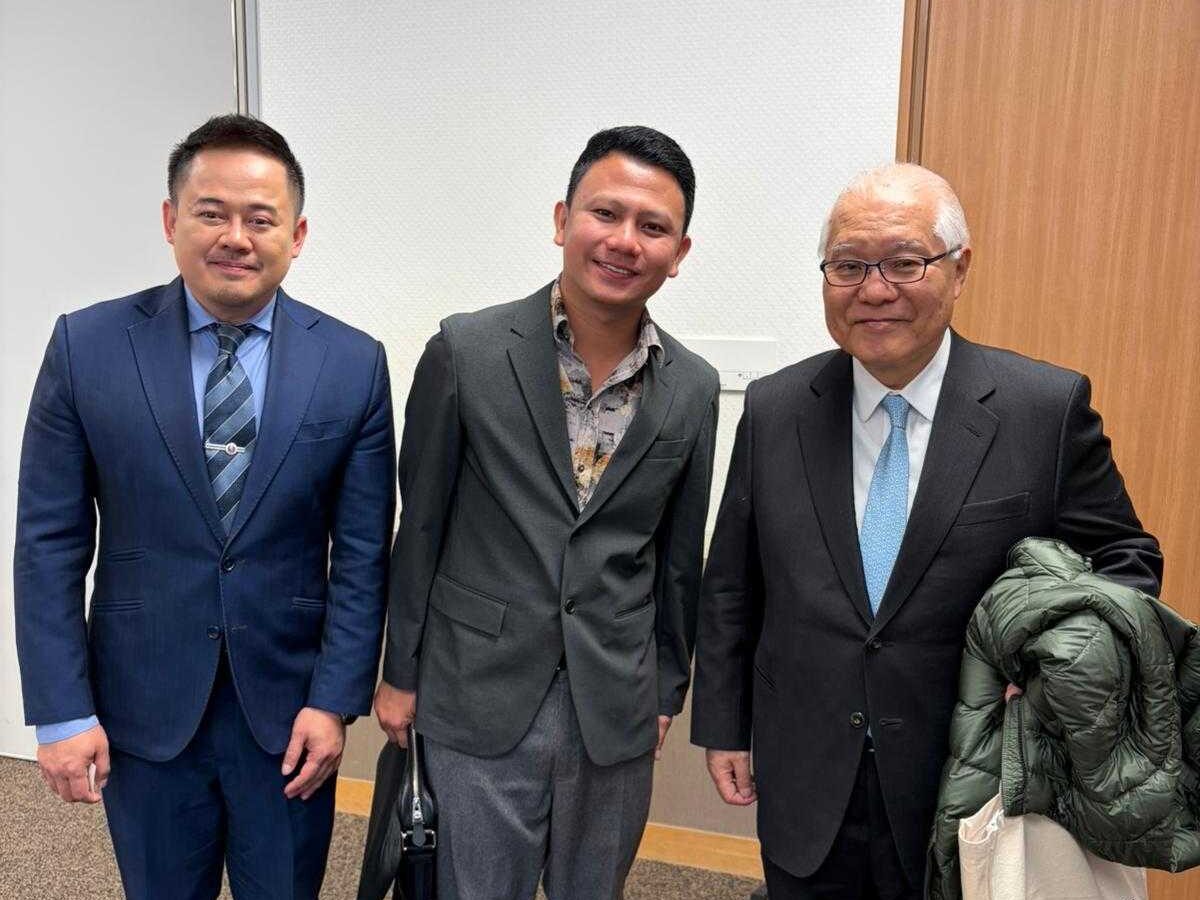
The group next travelled to Tokyo. They began with a breakfast roundtable with business leaders and former Minister for Health, Labour, and Welfare Keizo Takemi. Several of the private sector representatives during the discussion expressed that the HAPI winners’ activities represented best practices that could be replicated elsewhere, while also offering an investor perspective and encouraging winners to think carefully about how they can demonstrate the impact of their projects. Following the roundtable, participants had an opportunity to meet with Michael Hodin, CEO of the Global Coalition on Aging (GCOA), who discussed the work of GCOA and how they engage the business sector and drive discussions globally around aging, expressing his hope to engage HAPI winners at their annual Silver Economy Forum. Finally, participants concluded their day with a chance to meet Hon. Sakon Yamamoto, member of the House of Representatives (LDP), who discussed his perspectives on the winners’ projects from the point of view of a national-level elected official.
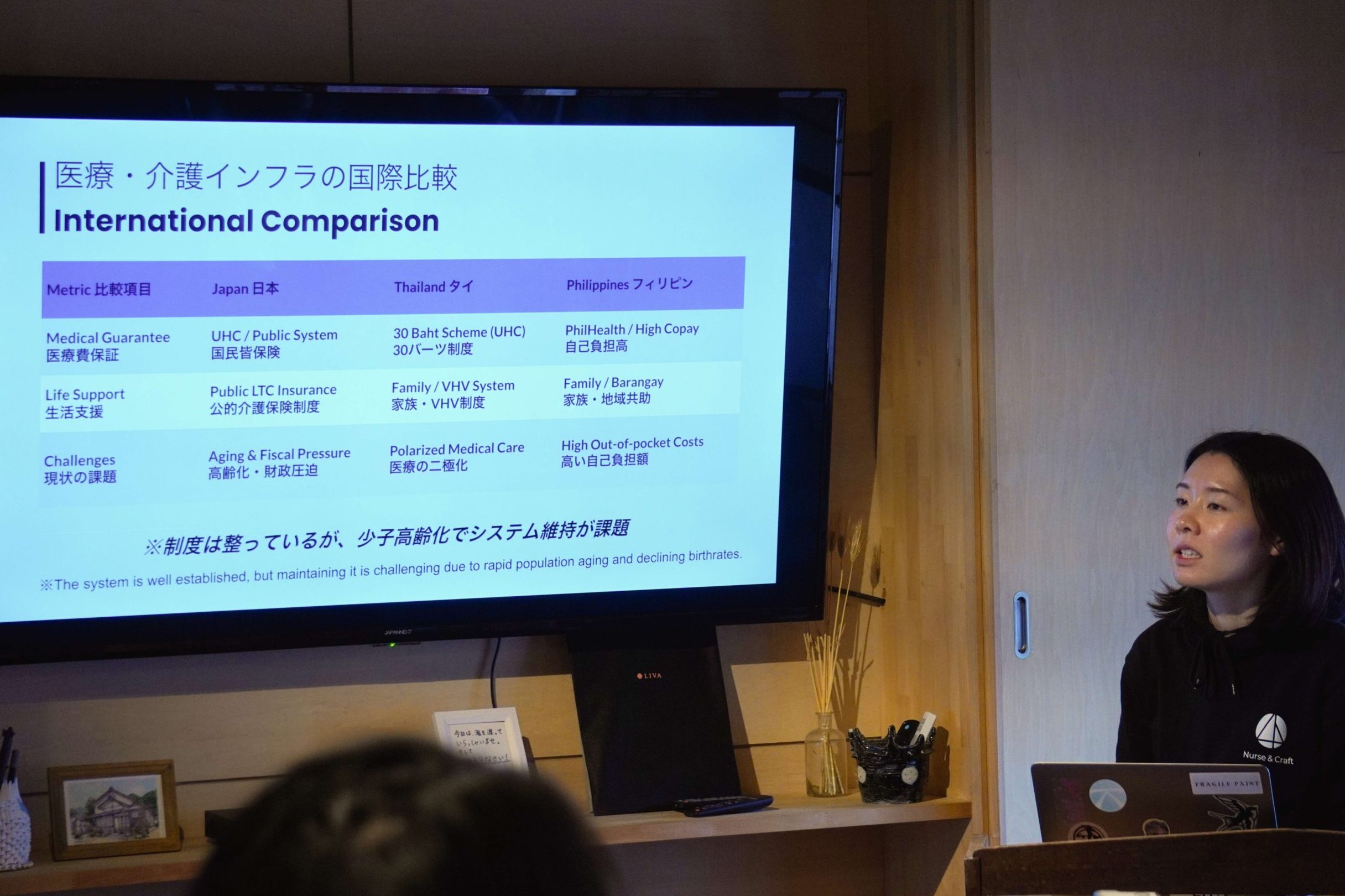
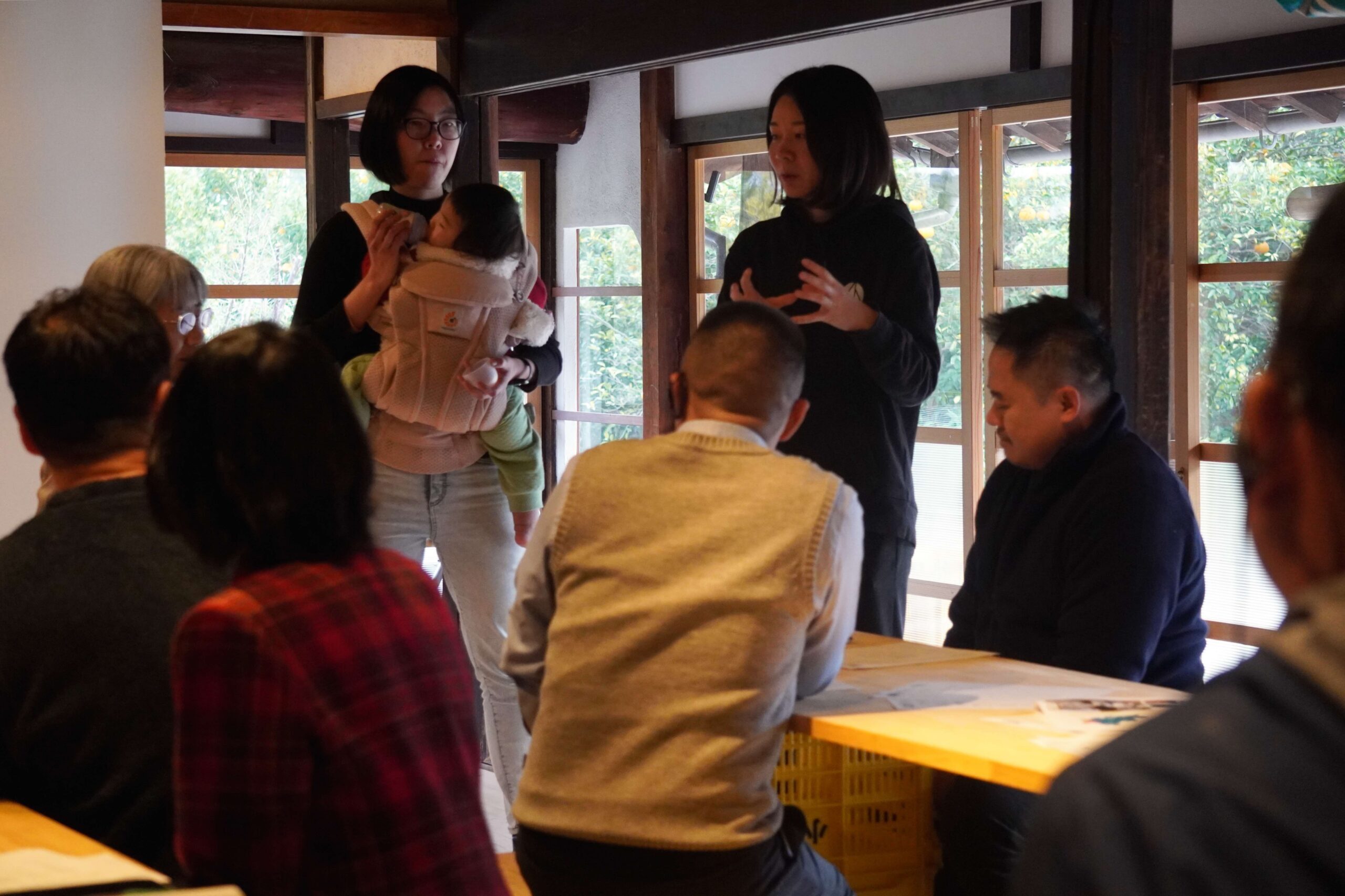
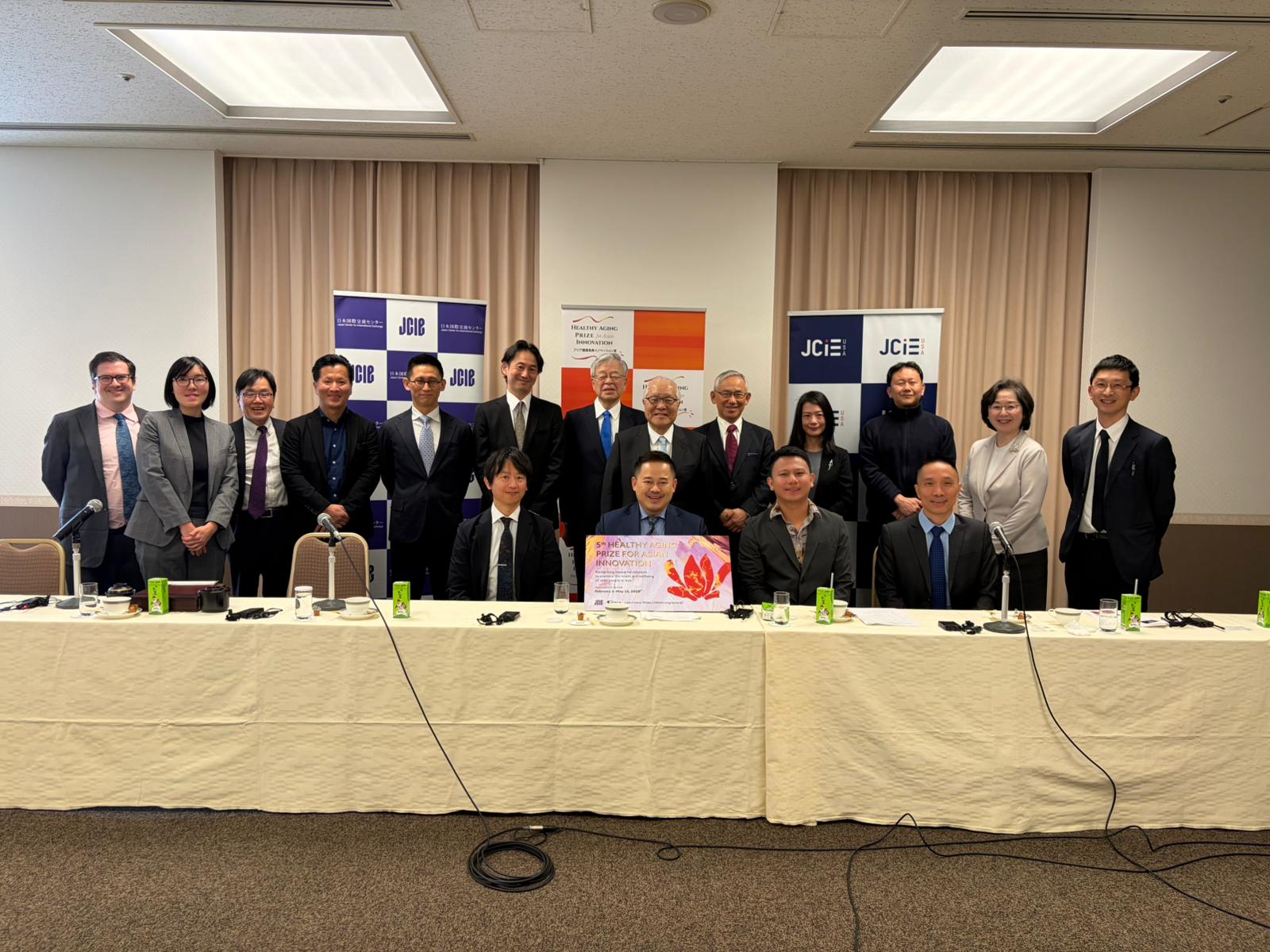
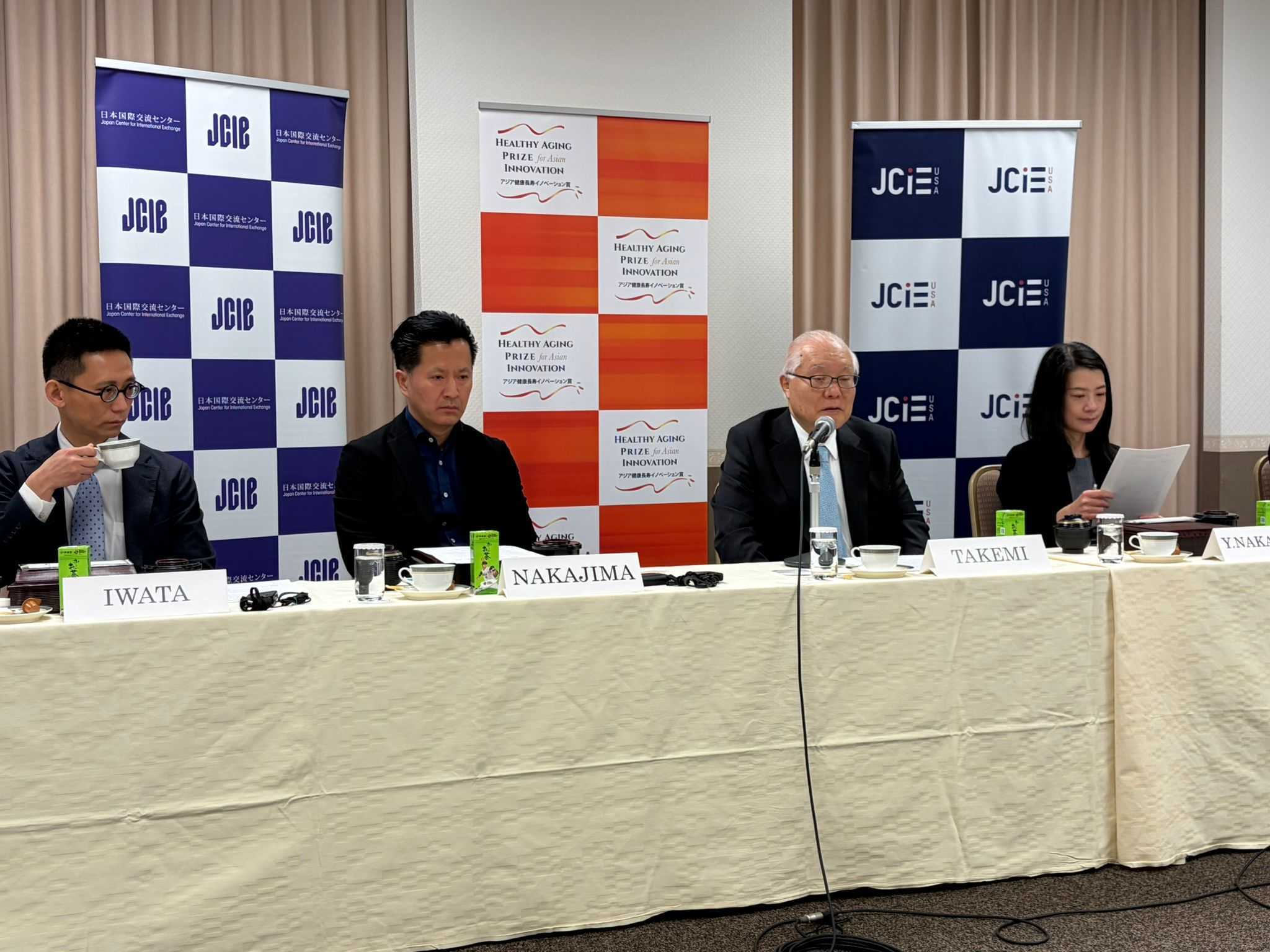
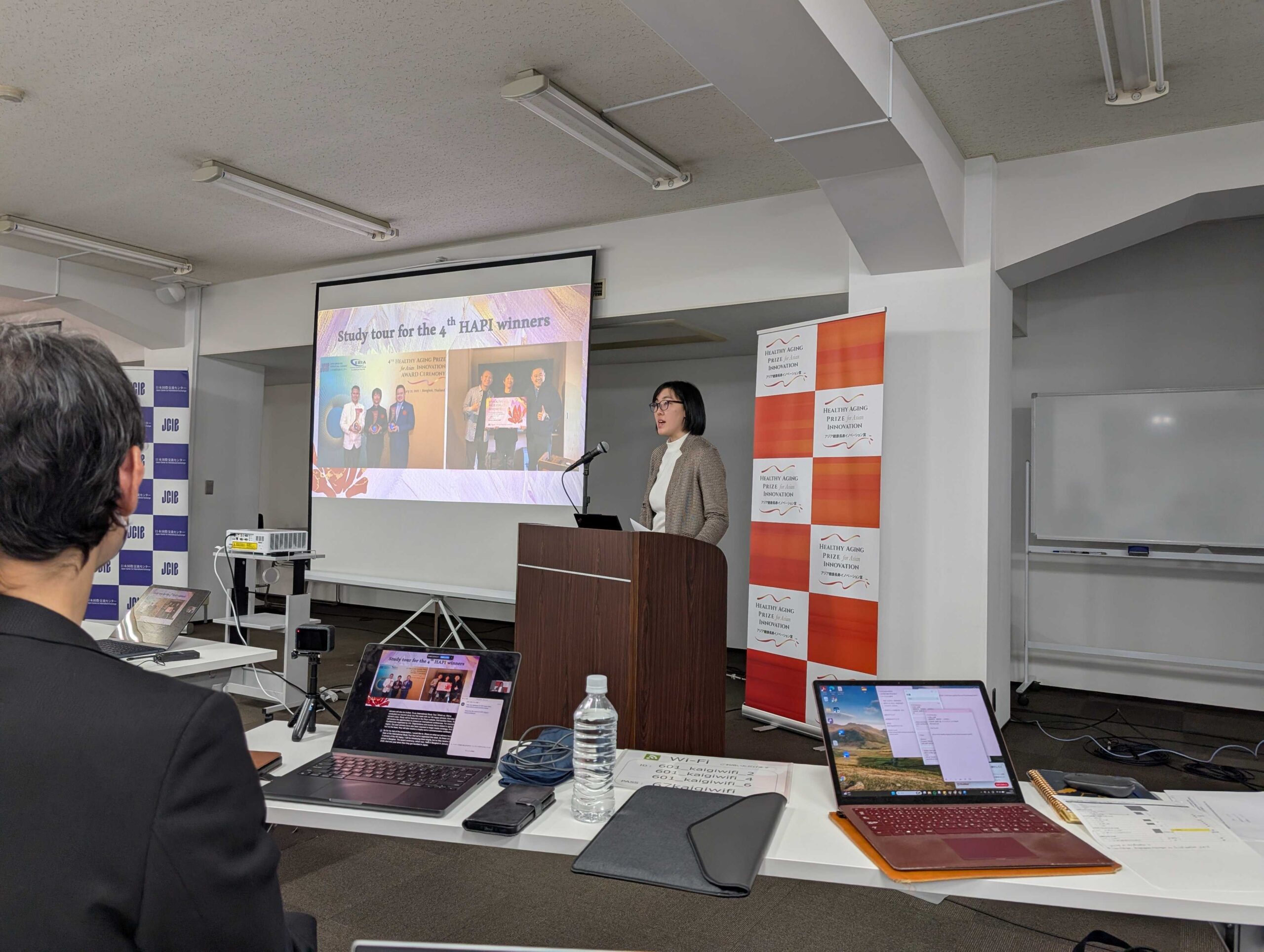
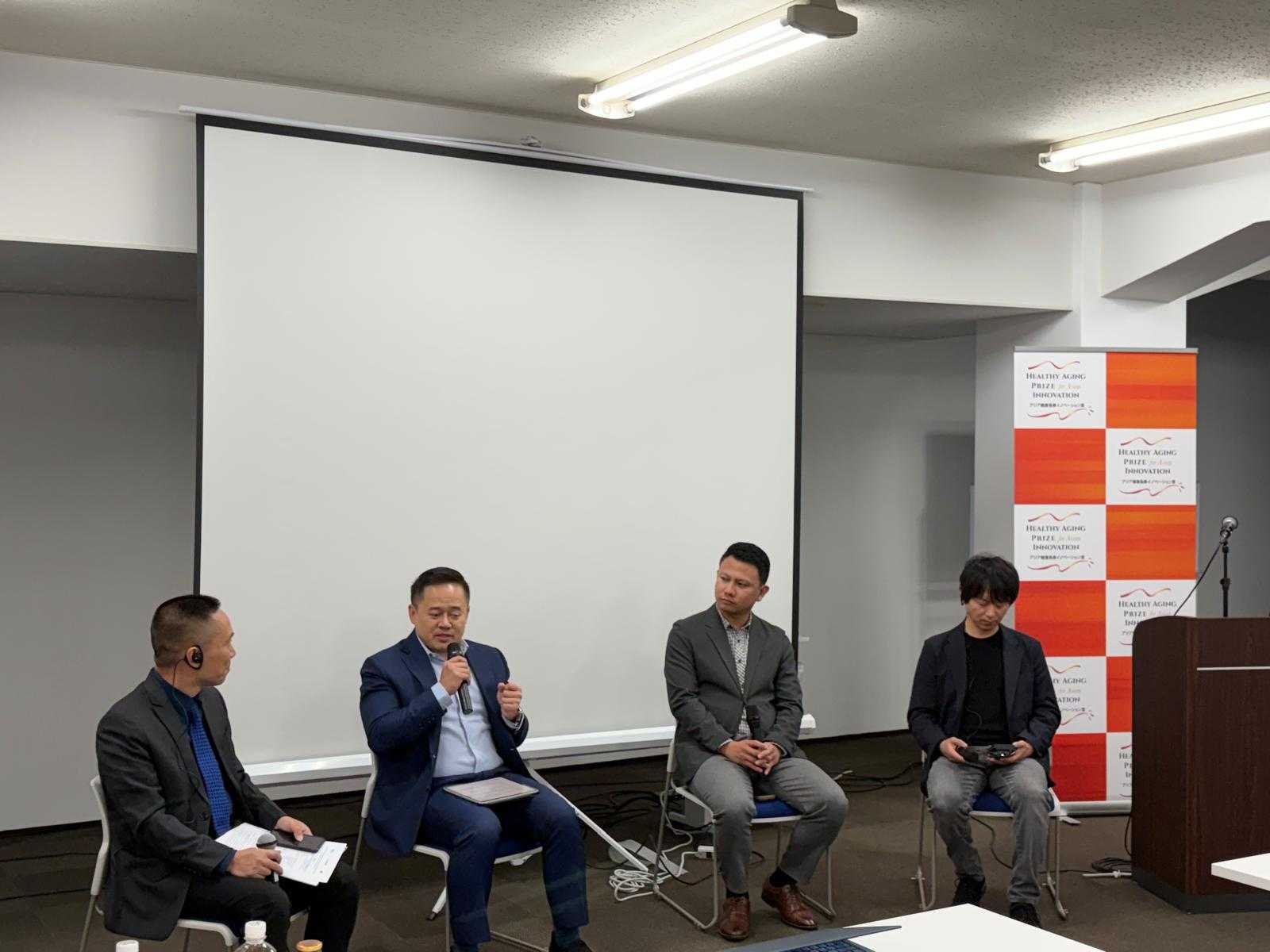
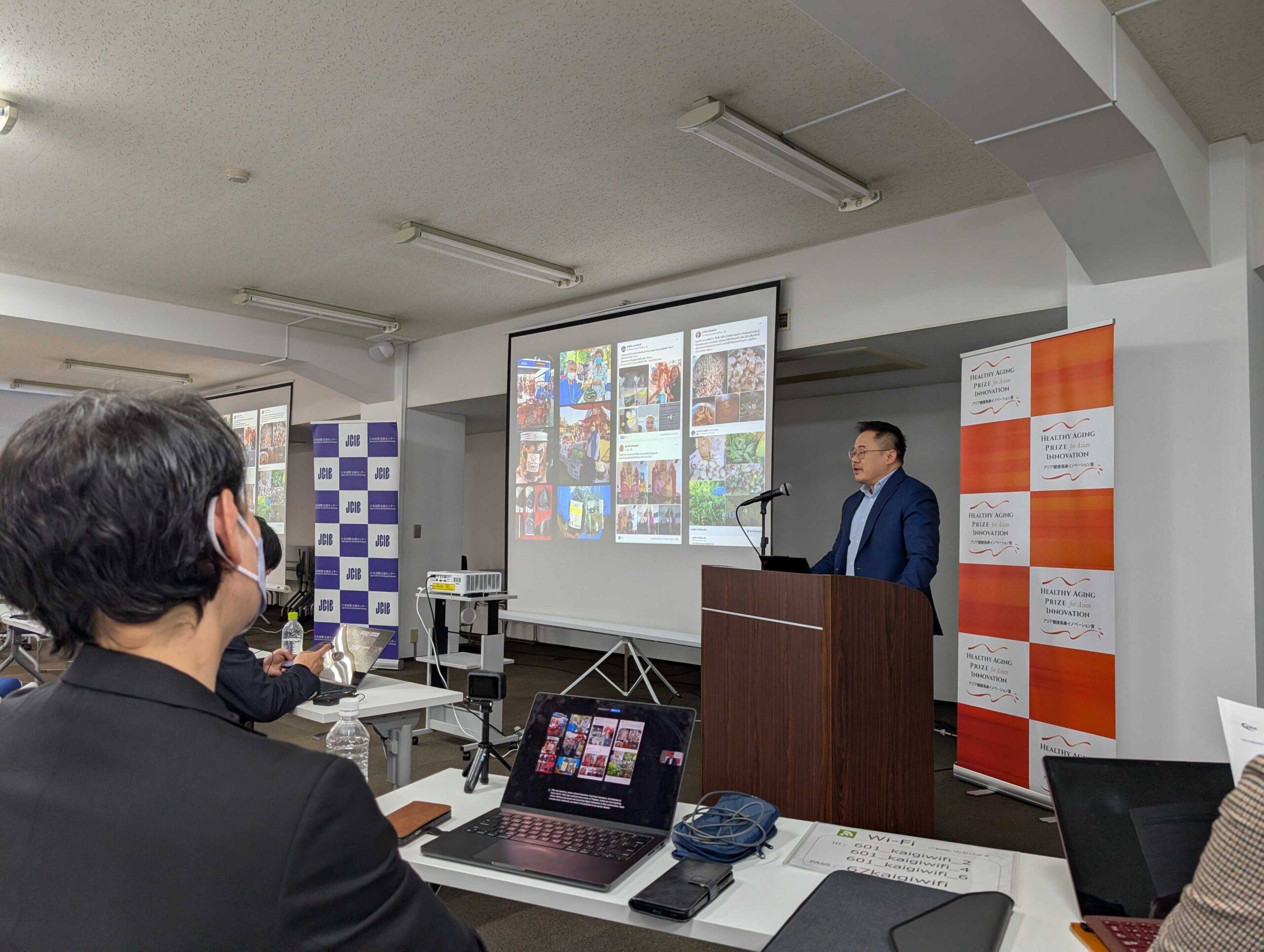
On the final day of the program, the winners spoke at a hybrid session entitled “From the Frontlines of an Aging Asia: Insights from the Winners of the 4th Healthy Aging Prize for Asian Innovation.” The event was attended in person by several members of the media and provided a valuable opportunity for the winners to present their work to a broader audience, to discuss what they had learned during their time in Japan, and to encourage and provide advice to prospective HAPI applicants. The video recording of the event can be viewed here.
Participant List
Edren M. Llanillo
Edren Mejia Llanillo is a young, mission-driven public servant and co-founder of the Go Bike Project, a grassroots initiative that has been recognized in and outside of the Philippines and received numerous awards, including the 2024 HAPI Grand Prize. His work encompasses youth leadership, public health, governance, and disaster risk reduction and management, collaborating with various local governments and international development organizations.
A mass communication graduate becoming a development professional, he holds an executive certification in Bridging Leadership from the Asian Institute of Management. He is also the founder of PadyaKaisipan, a mental health advocacy program, and ALWAR (Association of Learners Working on Altruism and Resilience), which institutionalized proactive youth engagement in disaster preparedness and resilience across various schools in the Philippines. To manage all of these advocacies, he served as the Executive Director of Padyarescue Inc. from 2021 to 2025.
He is also the youngest Councilor of the Municipality of Bugallon.
Nuttee Suree
As a visionary educational leader with over 15 years of experience transforming education across Thailand, Dr. Suree has dedicated his career to bridging the gap between traditional academia and the evolving needs of 21st-century learners—with a particular passion for empowering older adults through lifelong learning. Currently serving as director of the CMU School of Lifelong Education, Dr. Suree pioneered the MEDEE Project (Multi-generation Entrepreneur Development Educational Ecosystem), a landmark initiative that has built thriving lifelong learning ecosystems for senior citizens across Thailand, enabling them to contribute meaningfully to society and the economy. His work has impacted hundreds of thousands of learners nationwide and earned prestigious international recognition, including the HAPI Grand Prize 2024 and the Asian Education Award 2025.
A computational biochemist by training, his scientific research focuses on drug development for infectious diseases such as HIV/AIDS and COVID-19. He is equally dedicated to educational research and capacity building, and bridges biomedical research and innovative education, with a strong commitment to advancing lifelong learning.
Hiroyuki Fukasawa
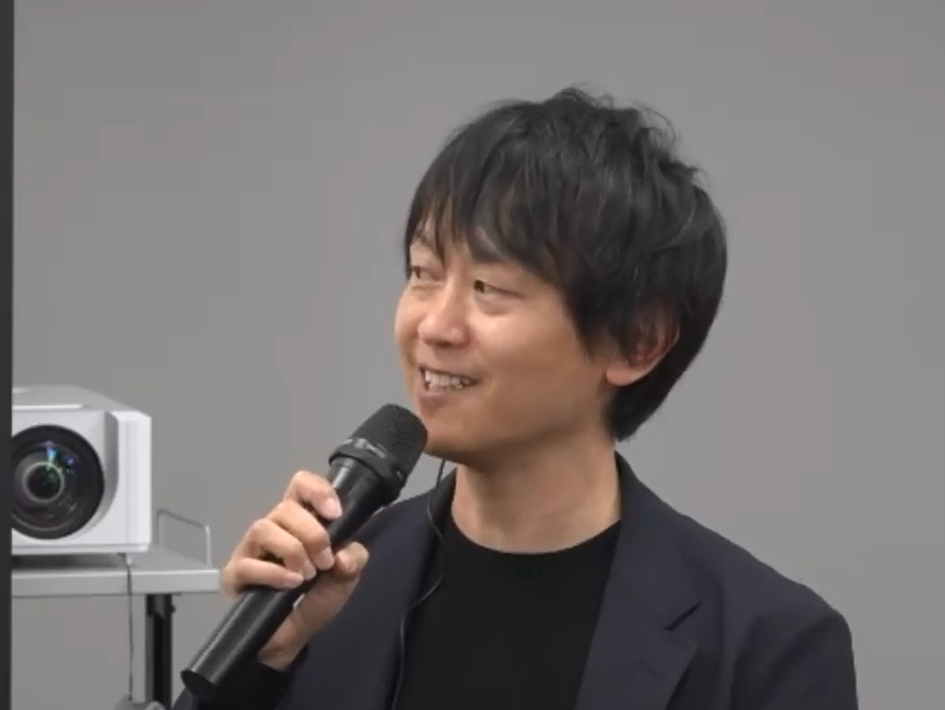
From 2015 to 2019, Hiroyuki served as director of a professional magazine for long-term care practitioners. During this time, he also contributed articles to major online media platforms specializing in eldercare and participated as an advisor in product development projects related to long-term care for leading corporations. In 2017, he began engaging with a startup in Estonia, initiating international exchange and collaboration. In 2019, he joined the “Mamena Project,” based in Kubi, Kure City. As part of this initiative and with the aim of realizing a society that does not rely on long-term care, he founded “Nurse and Craft” in Kubi. In 2023, the organization was incorporated as a joint-stock company.
Before working in the magazine industry, Mr. Fukasawa worked as a certified welfare equipment consultant, selecting and lending welfare equipment such as wheelchairs and nursing beds, tailored to each user’s physical condition and living environment. While working in the caregiving field, he was simultaneously engaged in information dissemination by publishing a free paper for seniors to address the lack of information for the elderly.