
INNOVATIVE CASES
Read about innovative approaches being developed throughout Asia to address the challenges of aging, using new methods to keep seniors healthy and active and to provide care to those who need it.
Search for Innovative Cases
This database includes winners of the Healthy Aging Prize for Asian Innovation (HAPI), launched in 2020 to identify best practices throughout East Asia.
Category Type
Keywords
Countries
Type of Organization
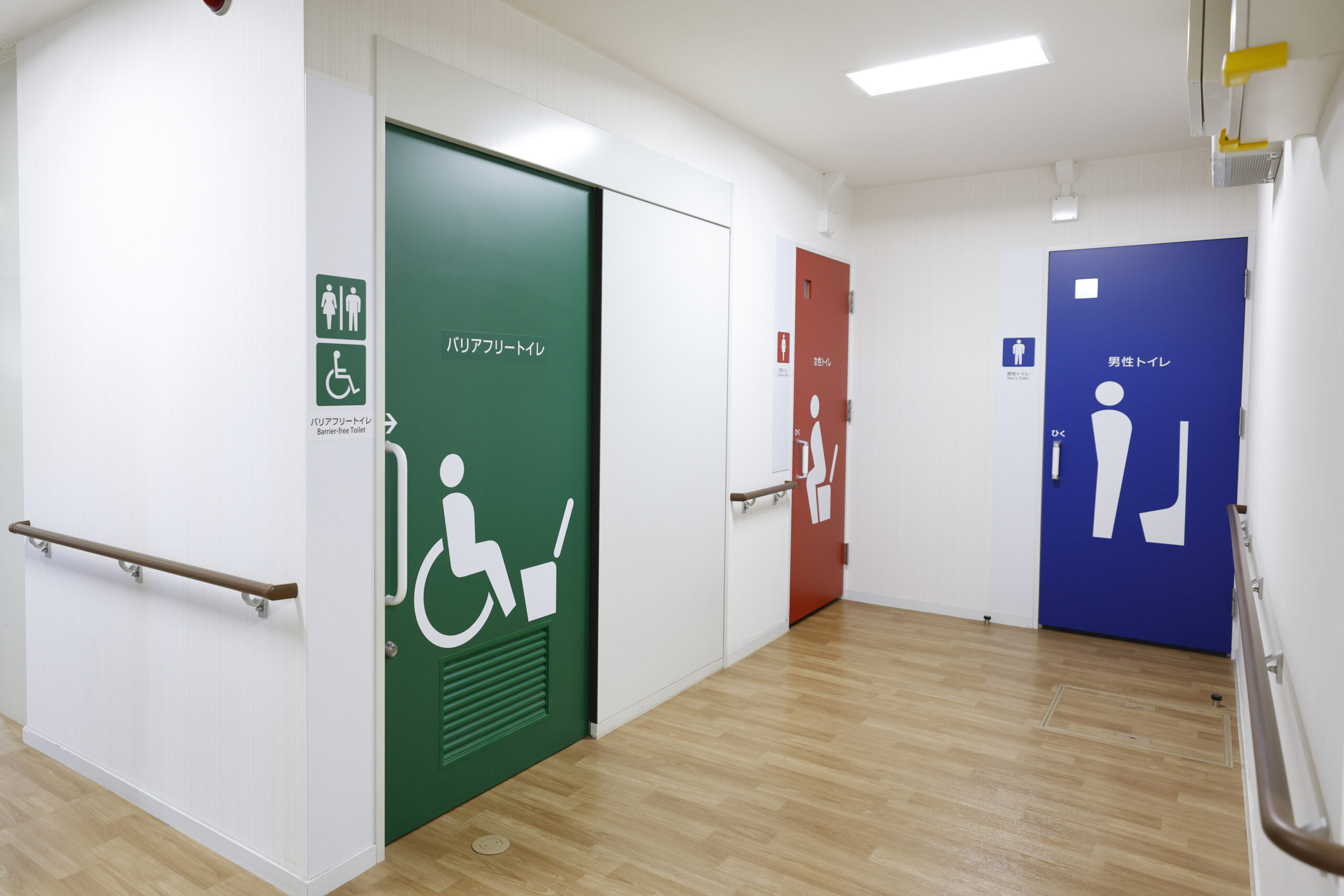
Organization: Fukuoka City
LOCATION: Japan
To address the rise in residents living with dementia, Fukuoka City launched the Dementia-Friendly City Project in 2018. They developed the Fukuoka Dementia-Friendly Design Guide, which sets out 30 key design principles and has been implemented at more than 100 facilities, including city subway stations, ward offices, and outdoor spaces. They also created a Dementia-Friendly Center to serve as a design showroom.
KEYWORDS: Dementia
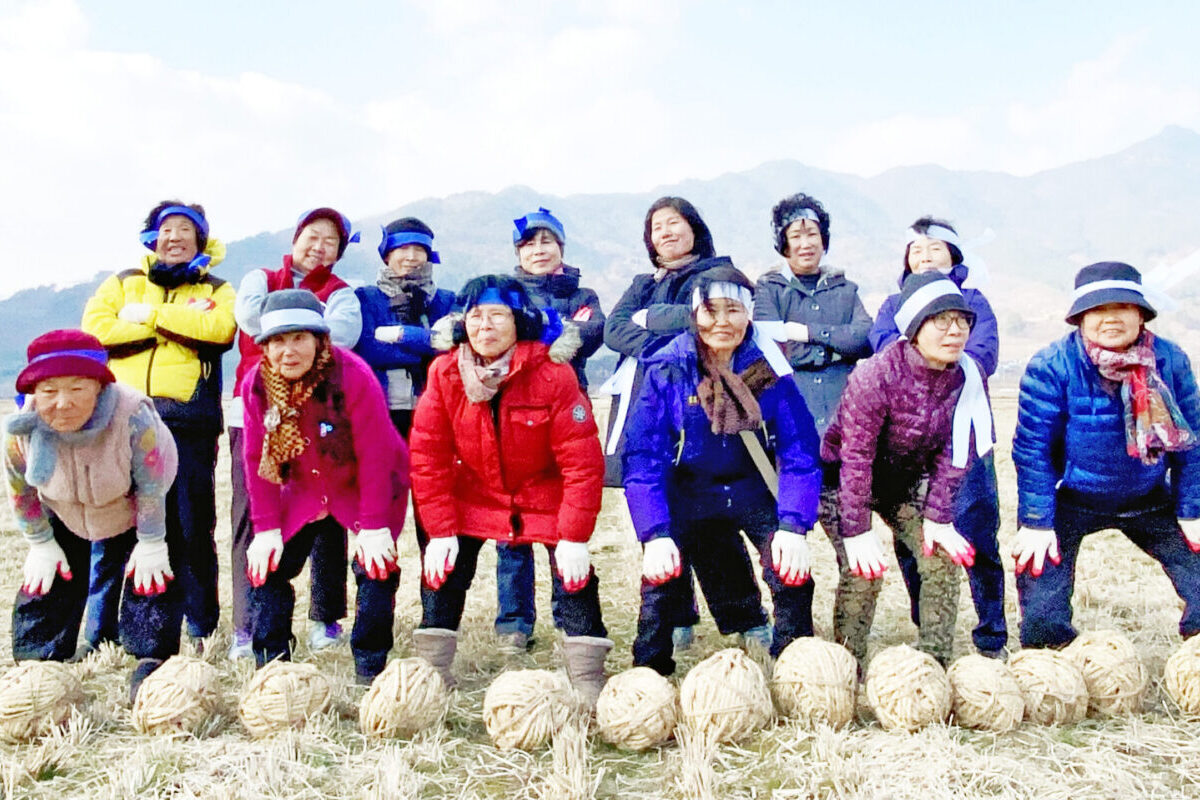
Organization: NOLLUWA
LOCATION: Republic of Korea
NOLLUWA is a community organization in a super-aged rural area of South Korea. Its slogan is “The Libero of Local Communities”—like the playmaker role of a libero in sports, they connect villages, residents, culture, tourism, education, and local resources to create greater social impact and stronger community collaboration, and to foster regional revitalization.
KEYWORDS: Employment/Ikigai, Intergenerational, Social/community engagement
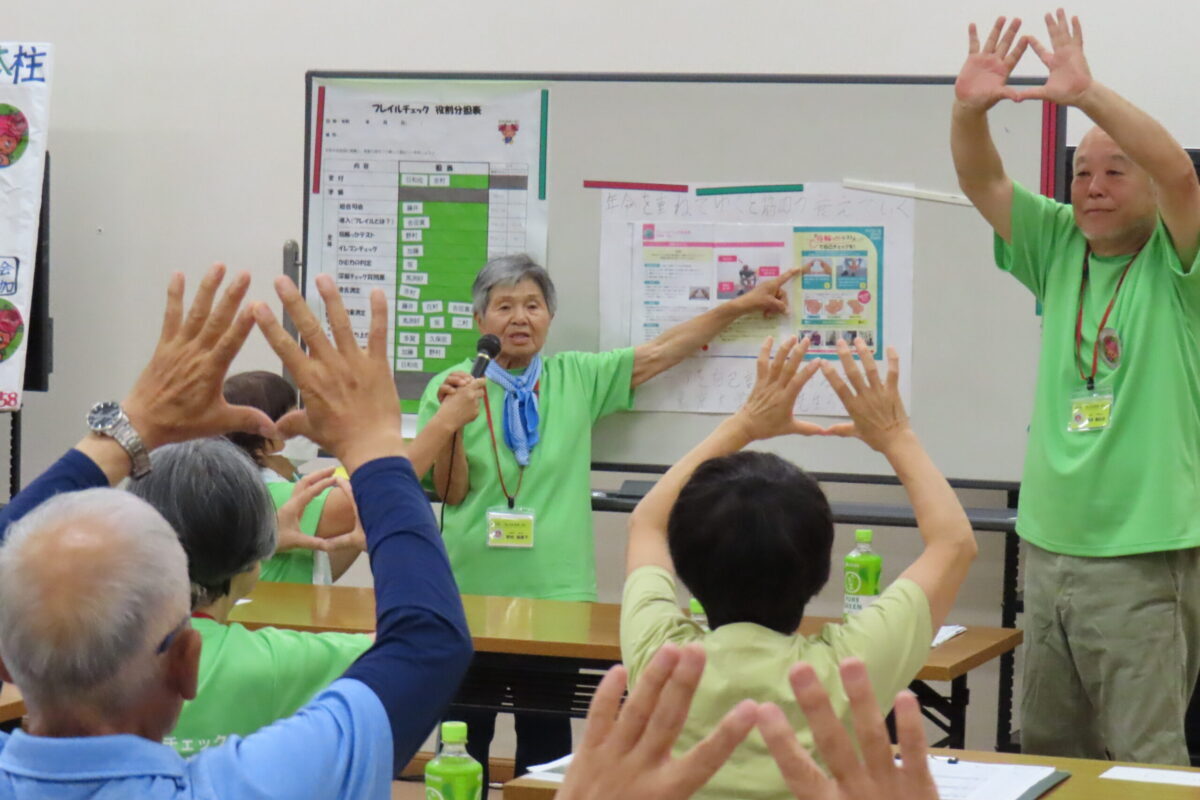
Organization: Frailty Prevention Team, The University of Tokyo, and the National Federation of Frailty Supporter Networks
LOCATION: Japan
An evidence-based model created by faculty at the University of Tokyo that promotes community resident-led activities to screen community members for signs of frailty, aimed at promoting both healthy/active longevity and well-being. The model promotes a sense of purpose, or ikigai, among older residents who serve as Frailty Prevention Supporters, and a network has been created among participating communities throughout Japan and Asia.
KEYWORDS: Preventive care, Social/community engagement
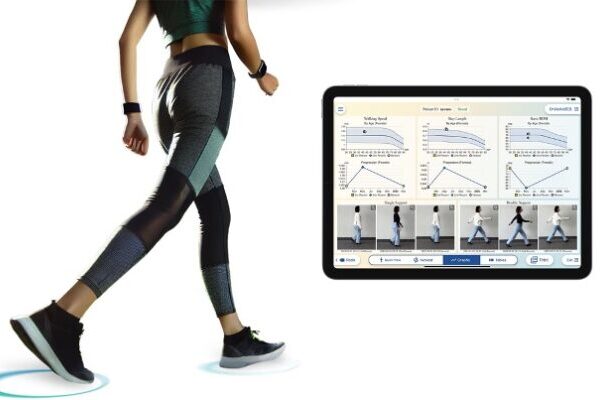
Organization: ayumo Inc., Osaka University Graduate School of Medicine, Osaka University Institute for Datability Science, National Hospital Organization Osaka-Minami Medical Center
LOCATION: Osaka, Japan
The concept of locomotive syndrome (LS) refers to reduced mobility due to impairment of the musculoskeletal system, which is a major contributor to the need for long-term care. A group of medical and technology researchers has developed a gait analysis device that uses AI to assess LS quickly and simply by just having older people walk a few meters in front of a camera.
KEYWORDS: Frailty, Preventive care
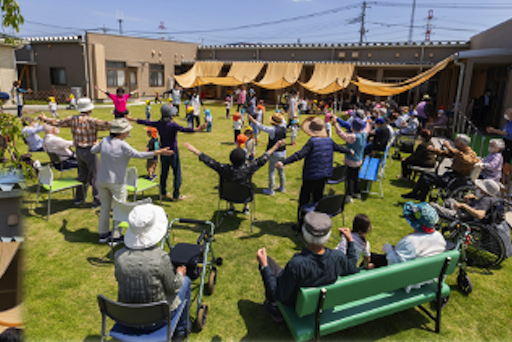
Organization: Rehab Home Ippo Co., Ltd.
LOCATION: Saitama, Japan
Rehab Home Ippo began as a small daycare service for older people, but when it added a small nursery school in the same building, older clients suddenly lit up. That led to an innovative new approach to the company’s work: they created a space for multigenerational exchanges by combining the senior day care service, nursery school, and a daycare for severely mentally and physically handicapped children in one facility.
KEYWORDS: Caregiving, Dementia, Intergenerational
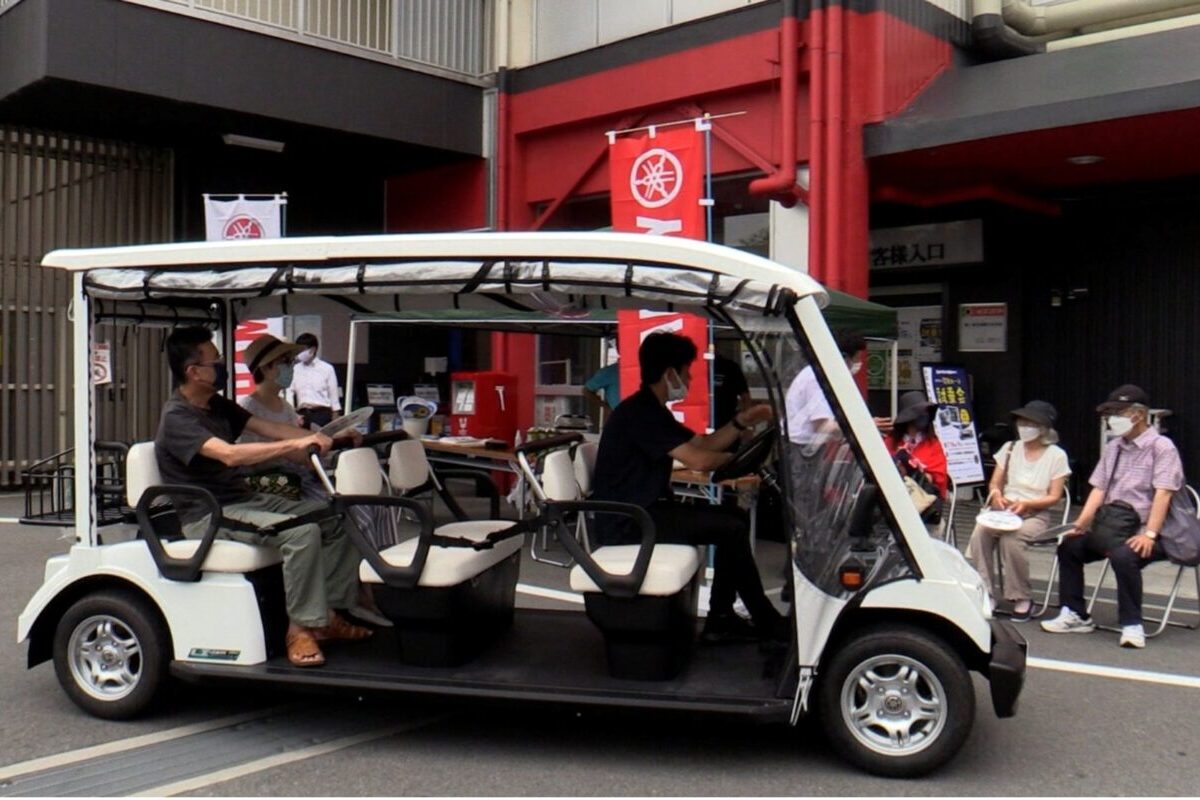
Organization: Center for Preventive Medicine, Chiba University, with Yamaha Motor Co. and Nihon Fukushi University
LOCATION: Chiba, Japan
Mobility is crucial for older adults to live healthy, active, and rewarding lives. Research institutes at Chiba University and Nihon Fukushi University worked with Yamaha Motor Co. and several local governments to address this problem by introducing electric carts that could be used on public roads in the community. They introduced an operational model that is easy for older people to use and easy for governments to implement.
KEYWORDS: Mobility, Social/community engagement
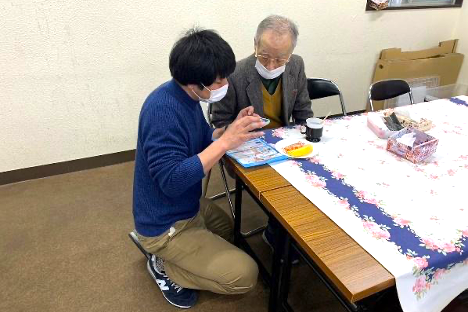
Organization: Osaka Kawasaki Rehabilitation University, Kaizuka City Health and Welfare Department Elderly Care Division, and Fuji Oil Corporation
LOCATION: Kaizuka City, Japan
Launched in 2017 as an industry-government-academia project, this initiative offers activities that contribute to the extension of healthy life expectancy among residents of Kaizuka City, focusing on health checks, exercise classes, and volunteer training projects.
KEYWORDS: Dementia, Frailty, Preventive care
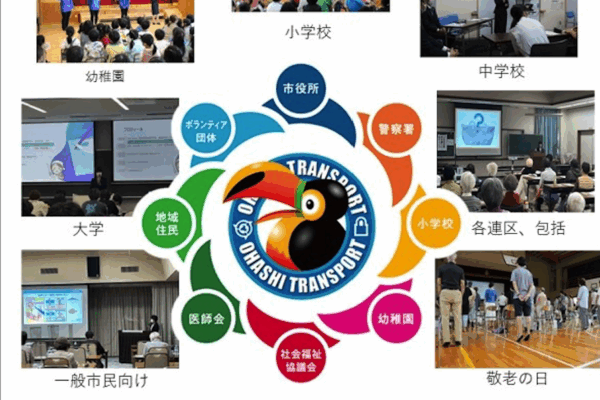
Organization: Ohashi Transport Co., Ltd., Seto Municipal Government, and the Seto City Social Welfare Council
LOCATION: Seto City, Japan
Ohashi Transport Co. had been carrying out in-house health management programs to maintain the mental and physical wellbeing of its employees. They are using that experience to work with the local government to implement a multi-pronged program focused on health education, exercise promotion, and social engagement.
KEYWORDS: Preventive care, Public awareness, Social/community engagement
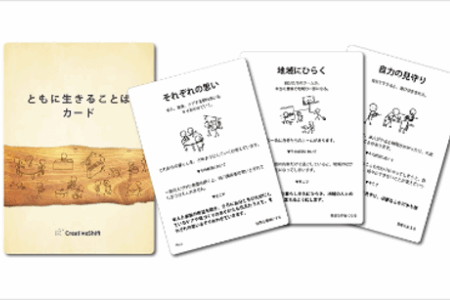
Organization: Keio University, Shonan Fujisawa Campus (SFC), Takashi Iba Laboratory
LOCATION: Fujisawa, Japan
Keio University researchers developed a "thinking aid" for caregivers at eldercare facilities and at home to share better care practices. They developed a pattern language focused on the concept of mutual care, focusing on a relationship of "living together" rather than a relationship between "those who provide care and those who are cared for."
KEYWORDS: Caregiving
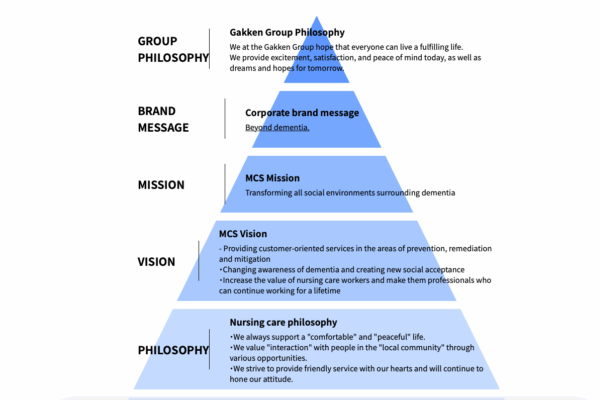
Organization: Medical Care Service (MCS) Co., Ltd.
LOCATION: Saitama, Japan
MCS operates hundreds of group homes and nursing homes in Japan and China. To improve their residents' quality of life, MCS established an evidence-based system that focuses on a secondary cause of dementia, the deterioration of physical activity, and primarily consists of medically based adjustments to areas such as hydration, nutrition, exercise, oral function, posture, mobility, and medication.
KEYWORDS: Caregiving, Dementia, Medical/health services