
CARES4WOUNDS
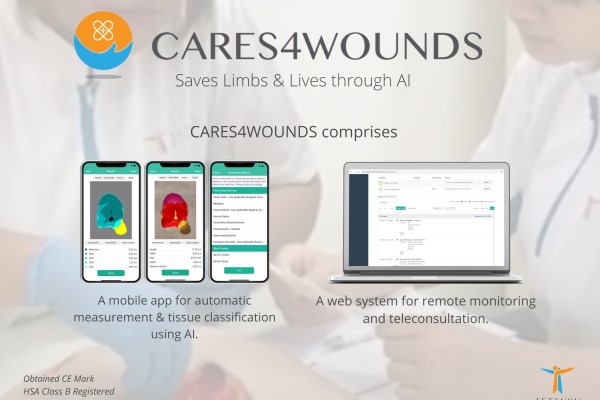
CARES4WOUNDS uses digital technology and artificial intelligence to provide a comprehensive system for wound assessment and management. Chronic wounds are particularly prevalent among older people in care facilities and this innovation streamlines the process for evaluation and treatment.
Health Promotion for Elderly in Northeastern Thailand Using Japan’s Self-Sustained Movement (SSM) Program
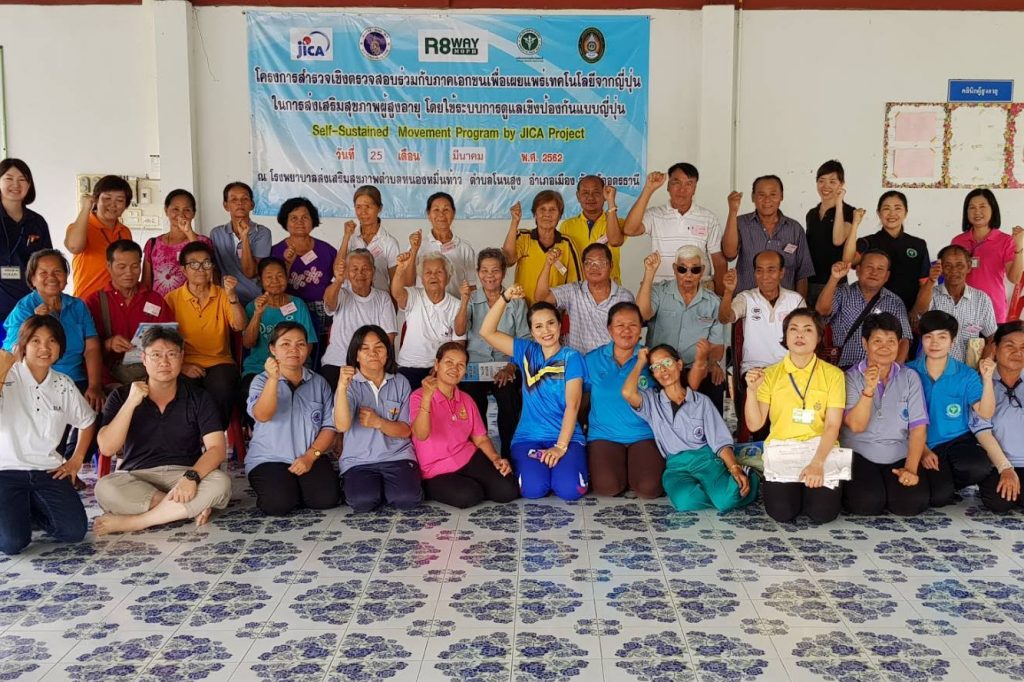
Hatachi Industry has worked in close collaboration with Thai partners to transfer their know-how for a preventative care system that can meet the needs of older Thai people. The program has been particularly effective at identifying and supporting frail older people who may soon require nursing care.
STRONG Program—A Collaborative Municipal-Community Model for Comprehensive Elderly Care
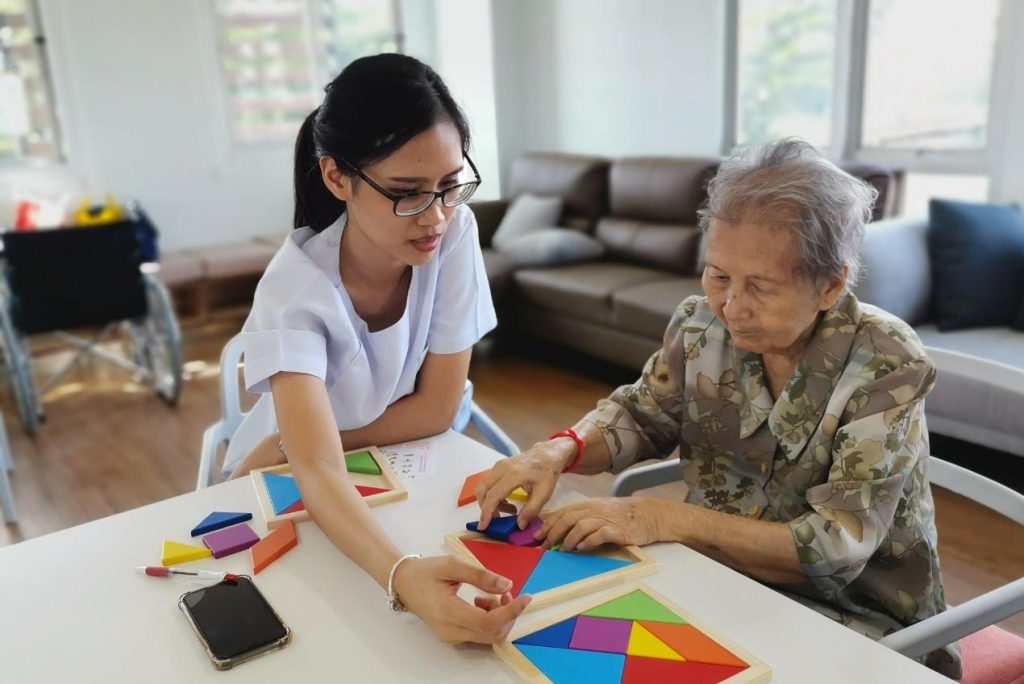
Bueng Yitho municipality uses a bottom-up grassroots approach to provide a continuum of care for older people with a wide range of needs in their community. Based on the success of their program at the local level, they have developed a framework for disseminating STRONG to other local governments in Thailand.
Houston Apollo Model –Sustainable Intelligent Community Health Service for Older People In Remote Areas
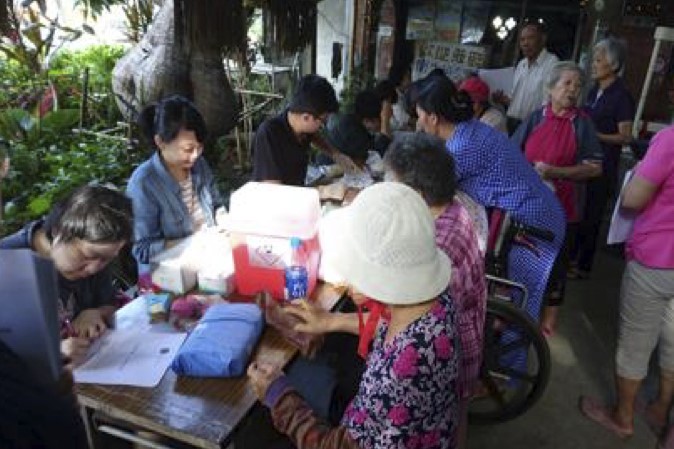
In Yunlin County, Taiwan, the “Houston Apollo Model” leverages telemedicine at community meal service sites to provide healthcare to older residents. This approach has improved health outcomes and medical resource utilization, addressing rural healthcare disparities.
WheeLog!—An Accessibility Map Application Created by Everyone
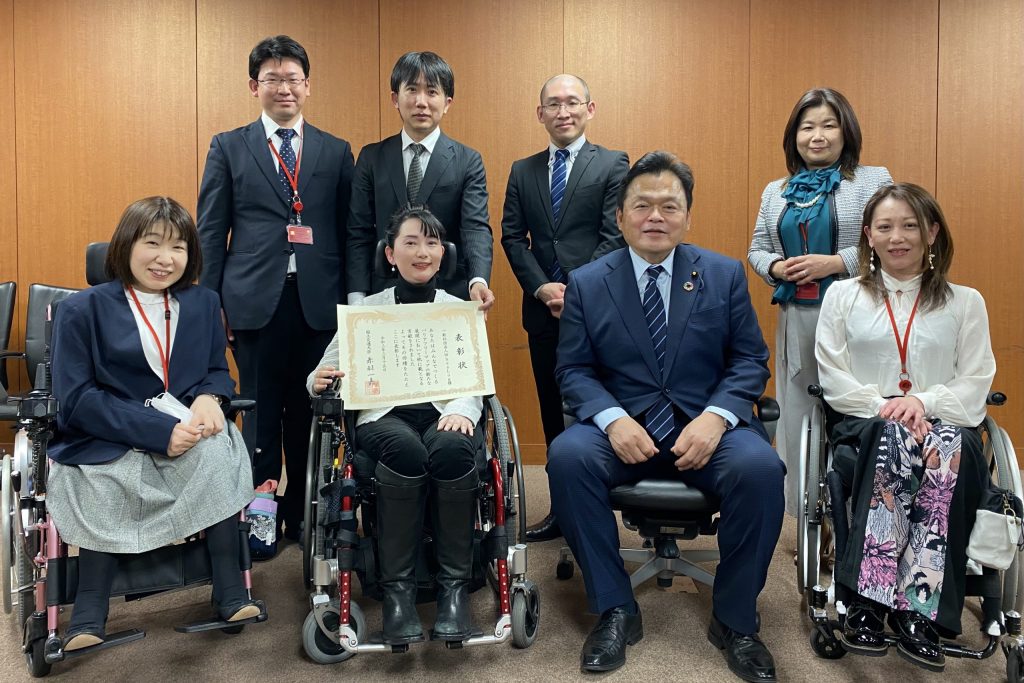
WheeLog!, an app for cellphones and computers, helps wheelchair users access barrier-free information about public spaces in Japan. It’s a crowdsourced map showing the actual routes taken by wheelchair users. The app aims to create an inclusive society by organizing city strolling events, where participants experience using a wheelchair.
Accompanying the Elderly to Face the COVID-19 Pandemic
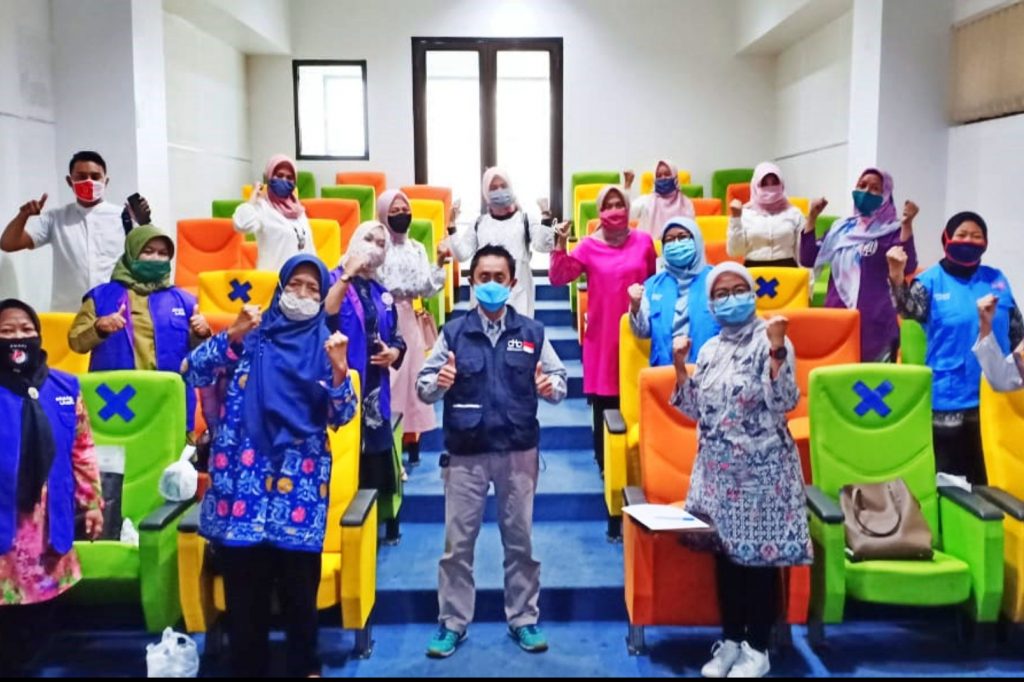
In response to the COVID-19 pandemic, IRL quickly developed a home visit program, which aimed to minimize COVID-10 transmission and meet the biological, psychological, and sociocultural needs of older people.
Capacity Building for Caregivers and Older Persons for Contactless Deliveries using Indoor Autonomous Robots during the COVID-19 Pandemic
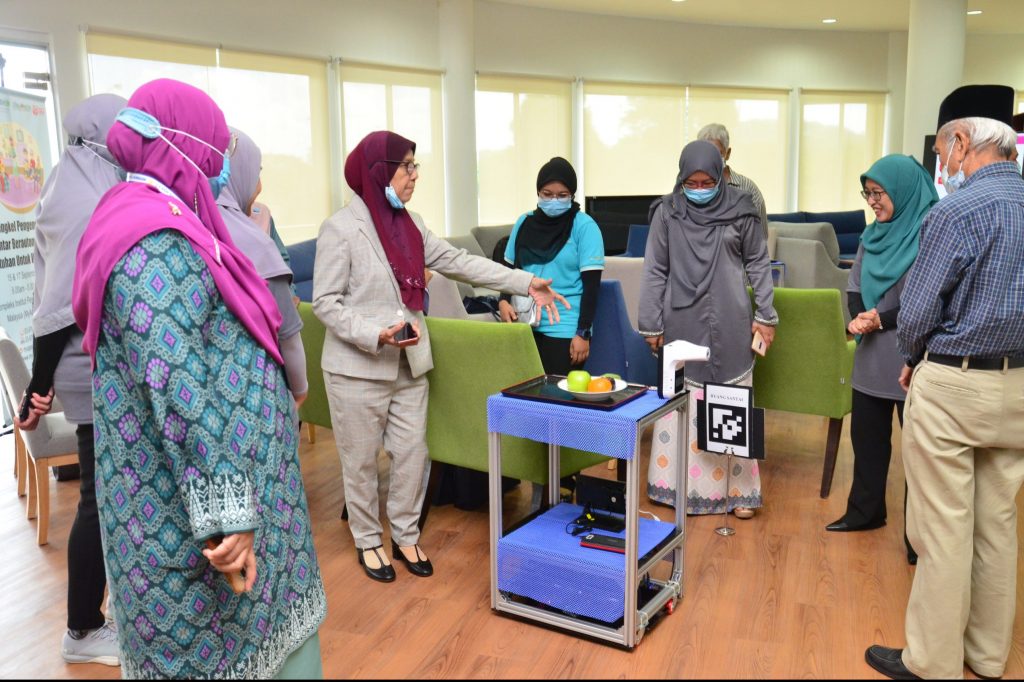
During the COVID-19 pandemic, contactless delivery suddenly became a critical tool to limit the spread of the disease and facilitate social distancing. The Malaysian Research Institute on Ageing launched a program in 2020 to respond to this need, developing an autonomous robot that could make contactless deliveries in long-term care settings.
The Matsudo Project: A New Urban Model for Reducing the Need for Long-Term Care in the Post COVID-19 Era
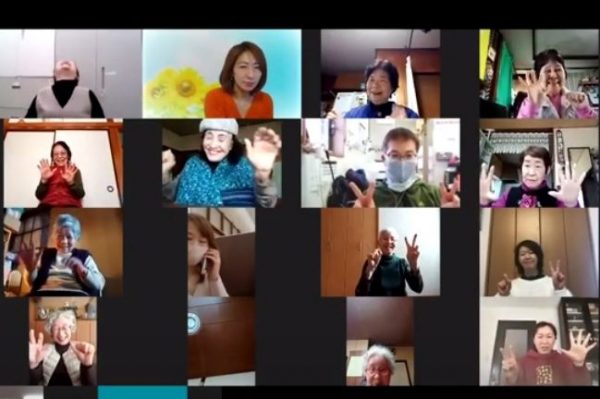
The Matsudo Project offers free online Kayoinoba classes in response to the challenges of its aging population and the COVID-19 pandemic. These classes provide older people with opportunities to connect with each other and across generations and to become more confident to use technology in their everyday lives.
AHWIN Papers No. 2: The Impact and Future of Japan’s 8020 Campaign
COVID-19 has had a devastating impact on the older populations in many countries. This second installment of a new policy brief series, the AHWIN Papers, assesses the success of Japan’s 8020 Campaign, which works to help people retain more teeth into their later years, specifically to ensure that people still have 20 of their original adult teeth at the age of 80.
WEBINAR | Building Dementia-Friendly Communities in Asia Pacific
JCIE and the Economic Research Institute for ASEAN and East Asia (ERIA) co-hosted a webinar that shared lessons from the United States, Japan, and Malaysia on how the COVID-19 epidemic has impacted older persons, particularly those in long-term care facilities.