
To coincide with the presence of the Grand Prize Winners of the 4th Healthy Aging Prize for Asian Innovation (HAPI) in Japan for a week-long study tour, JCIE hosted a special hybrid event featuring representatives from all three winners. This featured a panel discussion with our HAPI winners, whose innovations are fostering environments where older adults can live long, healthy, and happy lives. They shared some of their findings from their time in Japan, the world’s first “super-aged society,” as well as how receiving a HAPI prize has contributed to their work. A video recording of the event is available on YouTube below and you can learn more about their innovative programs, which address issues such as disaster resilience, intergenerational connection, lifelong learning, and healthcare access in rural settings.
The event also provided useful insights for those applying for the 5th round of HAPI, which is now open for applications.
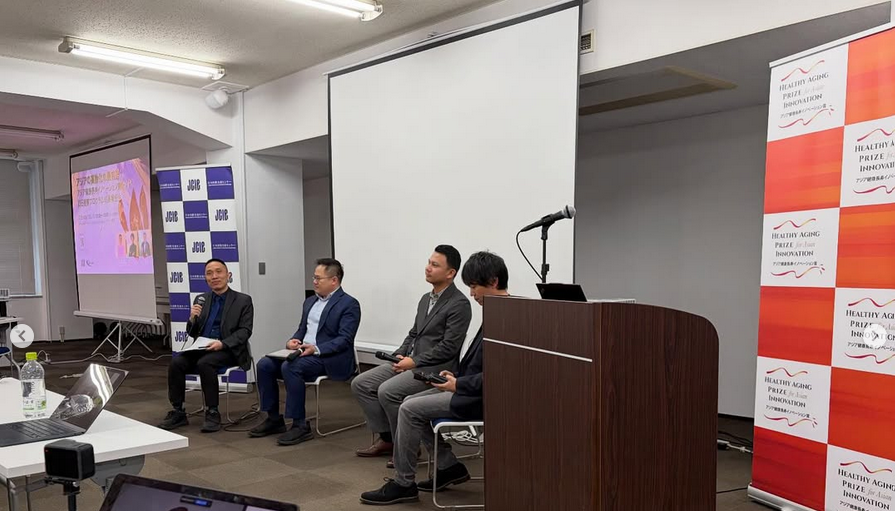
Event Program
Opening remarks
Yasuyuki Mitsuhashi Senior Policy Fellow on Healthcare, ERIA
Introduction of the Healthy Aging Prize for Asian Innovation (HAPI) and Report on the Japan Study Visit Program
Momoko Abe Program Officer, JCIE
Presentations from 4th HAPI Grand Prize Winners
Hiroyuki Fukasawa, Representative and CEO, Nurse&Craft(Japan)
Edren Llanillo, Founder and Representative, Padyarescue(Phillipines)
Nuttee Suree, Associate Professor, School of Life Long Education, Chiang Mai University(Thailand)
Panel Discussion
Hiroyuki Fukasawa, Representative and CEO, Nurse&Craft(Japan)
Edren Llanillo, Founder and Representative, Padyarescue(Phillipines)
Nuttee Suree, Associate Professor, School of Life Long Education, Chiang Mai University(Thailand)
(Moderator) Liem Nguyen, Programme Manager on Social Welfare, ERIA
Closing Remarks
Liem Nguyen, Programme Manager on Social Welfare
Speaker Bios

Edren M. Llanillo
Founder and Executive Director, Padyarescue Inc.
Edren Mejia Llanillo is a young, mission-driven public servant and co-founder of the Go Bike Project, a grassroots initiative that was recognized in and out of the Philippines and received numerous awards, including the 2024 HAPI Grand Prize. His work encompasses youth leadership, public health, governance, and disaster risk reduction and management, collaborating with various local governments and international development organizations.
A mass communication graduate becoming a development professional, he holds an executive certification in Bridging Leadership from the Asian Institute of Management. He is also the founder of PadyaKaisipan, a mental health advocacy program, and ALWAR (Association of Learners Working on Altruism and Resilience), which institutionalized proactive youth engagement in disaster preparedness and resilience across various schools in the Philippines. To manage all of these advocacies, he served as the Executive Director of Padyarescue Incorporated from 2021 to 2025.
He is also the youngest Councilor of the Municipality of Bugallon.
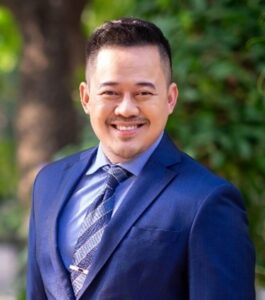
Nuttee Suree
Associate Professor, School of Life Long Education, Chiang Mai University
As a visionary educational leader with over 15 years of experience transforming education across Thailand, Dr. Suree has dedicated his career to bridging the gap between traditional academia and the evolving needs of 21st-century learners—with a particular passion for empowering older adults through lifelong learning. Currently serving as director of the CMU School of Lifelong Education, Dr. Suree pioneered the MEDEE Project (Multi-generation Entrepreneur Development Educational Ecosystem), a landmark initiative that has built thriving lifelong learning ecosystems for senior citizens across Thailand, enabling them to contribute meaningfully to society and the economy. His work has impacted hundreds of thousands of learners nationwide and earned prestigious international recognition, including the HAPI Grand Prize 2024 and the Asian Education Award 2025.
A computational biochemist by training, his scientific research focuses on drug development for infectious diseases such as HIV/AIDS and COVID-19. He is equally dedicated to educational research and capacity building, and bridges biomedical research and innovative education, with a strong commitment to advancing lifelong learning.
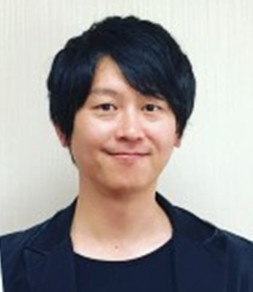
Hiroyuki Fukasawa
Founder and Representative, Nurse & Craft
From 2015 to 2019, Hiroyuki served as director of a professional magazine for long-term care practitioners. During this time, he also contributed articles to major online media platforms specializing in eldercare and participated as an advisor in product development projects related to long-term care for leading corporations. In 2017, he began engaging with a startup in Estonia, initiating international exchange and collaboration. In 2019, he joined the “Mamena Project,” based in Kubi, Kure City. As part of this initiative and with the aim of realizing a society that does not rely on long-term care, he founded “Nurse and Craft” in Kubi. In 2023, the organization was incorporated as a joint-stock company.
Before working in the magazine industry, Mr. Fukasawa worked as a certified welfare equipment consultant, selecting and lending welfare equipment such as wheelchairs and nursing beds, tailored to each user’s physical condition and living environment. While working in the caregiving field, he was simultaneously engaged in information dissemination by publishing a free paper for seniors to address the lack of information for the elderly.
About the 4th HAPI Grand Prize Winners
Padyarescue Inc. | Philippines
Go Bike Project—Ronda Kalusugan Program
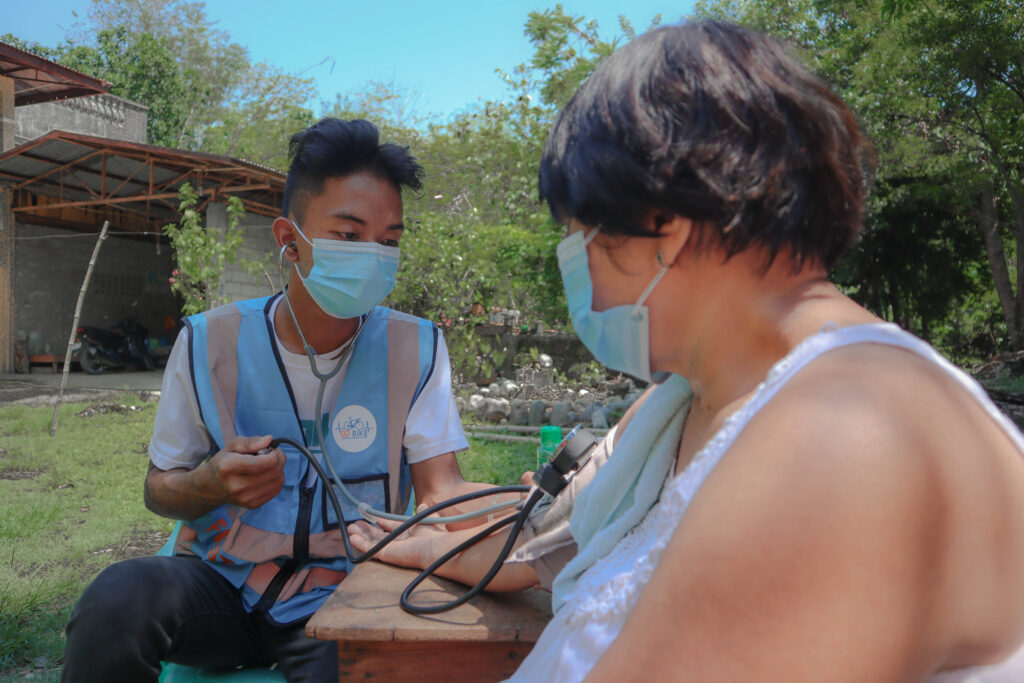
The Go Bike Project, launched in Bugarong City in the rural areas of Luzon Island, Philippines, is a notable community model integrating health support for the elderly with disaster preparedness, led by young volunteers, “Go Bikers.” They patrol elderly homes on modified bicycles equipped with simple testing devices and first-aid kits, measuring and recording blood pressure and blood sugar levels. If abnormalities are detected, they connect the elderly to medical professionals and deliver necessary medications. This contributes to preventing the worsening of conditions among the many elderly with chronic diseases in rural areas.
Furthermore, given the region’s frequent typhoon exposure, the project also focuses on evacuation support and disaster prevention activities, linking everyday monitoring to rapid response during disasters.
Launched in 2019, the program has trained 2,113 individuals by 2024, supporting over 41 communities and 40,000 people with approximately 200 bicycles. It is expanding as an initiative that simultaneously fosters youth development and strengthens community resilience.
School of Lifelong Education, Chiang Mai University | Thailand
MEDEE—Fostering Work Skills for Seniors in the Digital Era
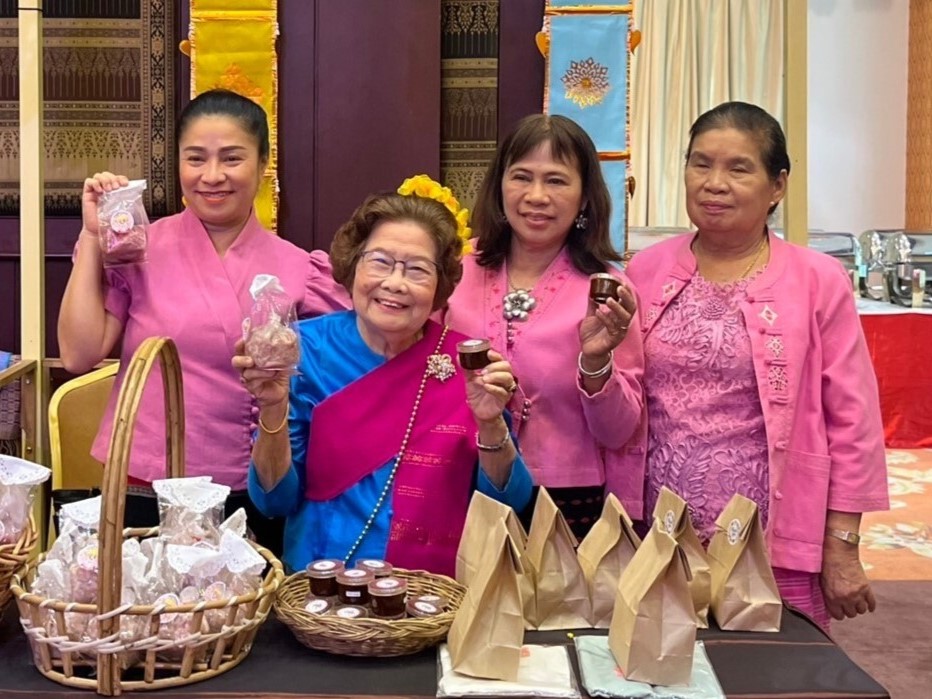
Chiang Mai University’s Faculty of Lifelong Education has launched “MEDEE,” a multigenerational entrepreneurial ecosystem aimed at boosting seniors’ income. This initiative systematizes courses on senior-friendly digital literacy, vocational skills, and physical/mental health, providing comprehensive support from foundational training to practical implementation for launching new ventures like online businesses.
This project aligns with SDG Goal 4: Quality Education and is part of the university’s strategic initiatives, supported by the National Research Council of Thailand. To facilitate senior participation, it combines in-person lectures with online learning using the widely adopted LINE app, expanding nationwide. Seniors themselves are involved in its operation. Many of the over 1,000 certified trainers are seniors themselves, actively involved in planning courses like Nordic walking and financial fraud prevention. Shifting from learners to teachers—this new educational model is gaining attention for expanding the possibilities for older adults.
Nurse & Craft | Japan
Home Nursing to Regenerate the Town
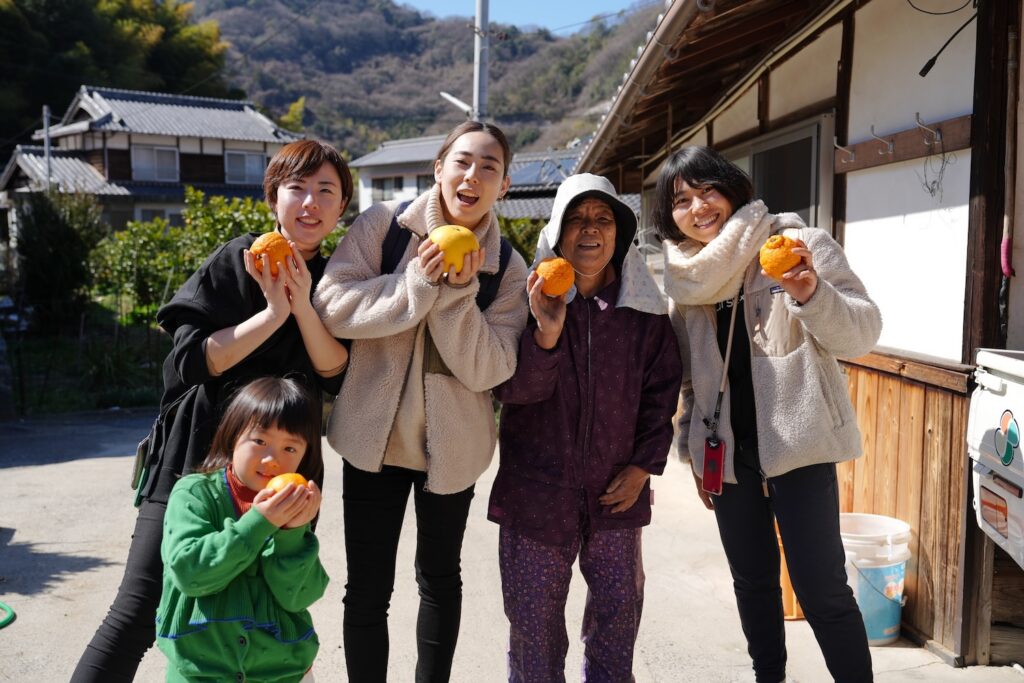
Nurse & Craft positions Ōsakishimo Island—an island in the Seto Inland Sea with an aging rate of approximately 70%—as a “microcosm of Japan’s future,” and operates STARTWELL, a community-based preventive and supportive healthcare initiative.
STARTWELL integrates the following services based on a visiting nursing station: (i) Regular health checks and individual assessments; (ii) Remote vital sign monitoring using IoT devices; (iii) Online/in-person health consultations with nurses and specialists; (iv) Exercise, nutrition, and lifestyle improvement programs; and (v) Coordination with medical and care resources both within and outside the region. Beyond early disease detection and preventing deterioration, it supports concrete behavioral changes for “living better,” incorporating social participation and work activities.
A pioneering effort to simul-taneously implement medical/ care infrastructure development and data-driven prevention models in depopulated areas with declining populations, STARTWELL is gaining attention as an implementation model for Japan’s super-aged society, balancing extending residents’ healthy life expectancy with regional sustainability.