
MCS Care—A Science-Based Approach to Promote Self-Reliance
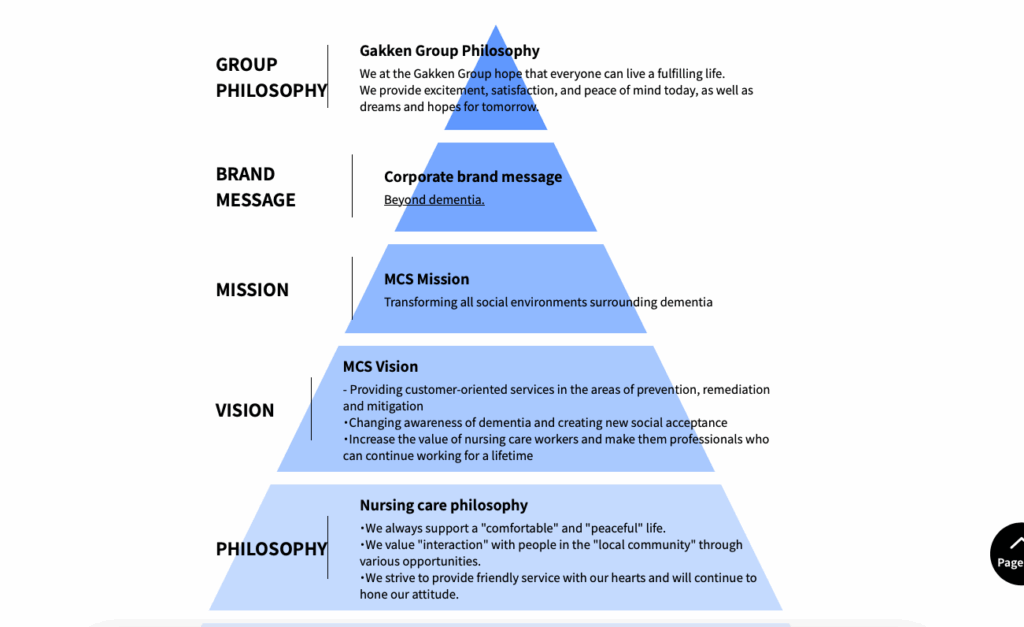
MCS operates hundreds of group homes and nursing homes in Japan and China. To improve their residents’ quality of life, MCS established an evidence-based system that focuses on a secondary cause of dementia, the deterioration of physical activity, and primarily consists of medically based adjustments to areas such as hydration, nutrition, exercise, oral function, posture, mobility, and medication.
Kaigo Café—Japan’s Largest Informal Care Professional Network
Kaigo Café is a professional, multidisciplinary, offline and online network that has been carrying out grassroots activities throughout Japan since 2012 that allow participants from all aspects of the medical and nursing care industry—regardless of their credentials or status—to talk freely and empower one another to continuously improve elder care.
Connecting Education and Welfare through TANO
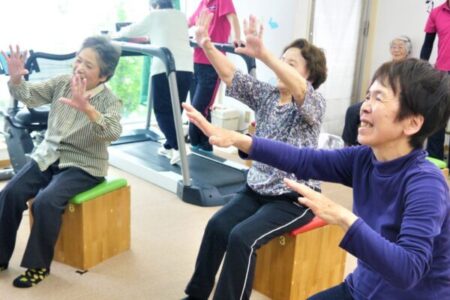
TANO is a non-contact gamification system that promotes movement and social engagement for health promotion and rehabilitation for older people. It is being used in care facilities in Japan and overseas. The initiative seeks to connect education and welfare, promote society-wide cooperation through industry-government-academia partnerships, and create an environment in which children and students can develop an awareness of social issues from an early stage.
NCGG Home Exercise Program for Older People

In response to COVID, a multidisciplinary team of physicians, therapists, and dieticians created an evidence-based Home Exercise Program for Older People (HEPOP), which was published one month later as a booklet and online, offering a menu of exercises and activities that can be easily practiced at home. It was integrated into the Ministry of Health’s Online Kayoinoba (gathering place) app.
Using Data-Based Strategies to Extend Healthy Life Expectancy
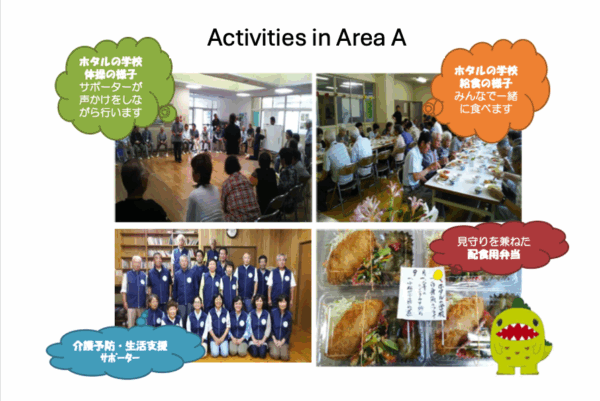
The town of Mifune had been implementing a number of initiatives to promote preventive care and community building for its older residents, so when the percentage of people certified as eligible for long-term care began to rise again, they realized they needed objective data to identify the health problems of the community and strategically address the problems.
Assistive Wheelchair “COLORS”®—Making It Easier to Go Out
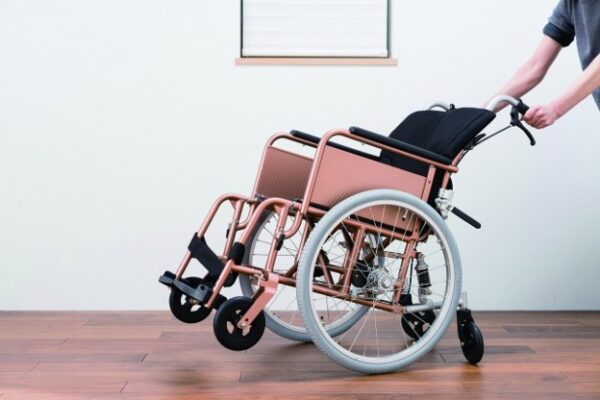
COLORS is a private company that provides a variety of caregiving services for older adults, people with disabilities, and others. Recognizing the issues facing caregivers in managing traditional wheelchairs, they began to develop a new design for a wheelchair that would be easier to use, regardless of the terrain, while still being light in weight and simple to operate.
Online Exercise Salon for the Elderly through Industry-Academia Collaboration
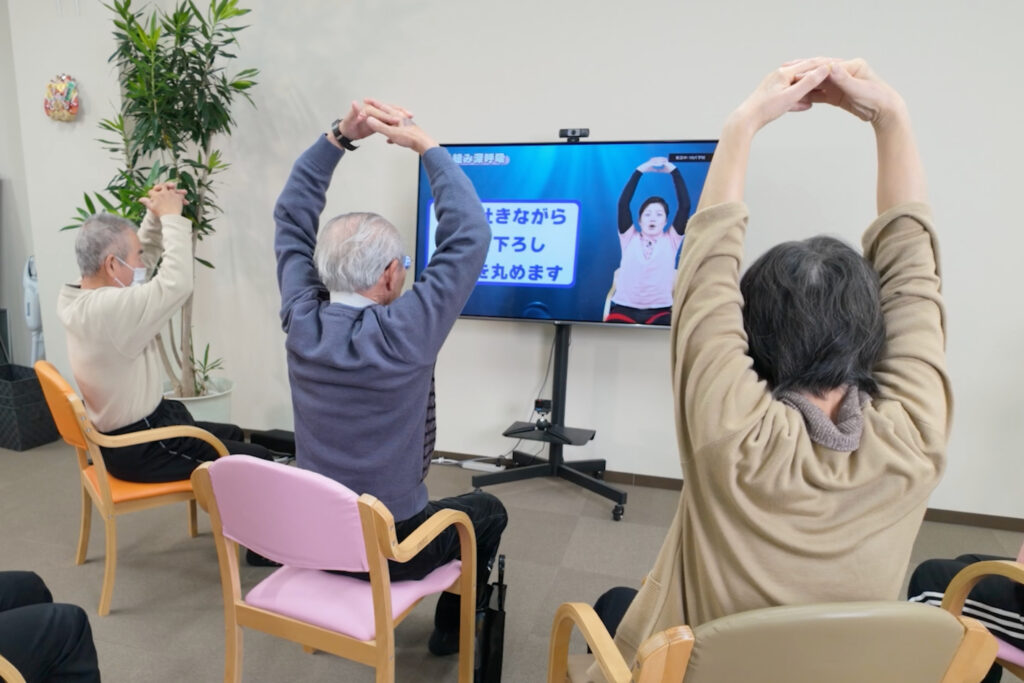
Based on a unique concept of “gut-brain-muscle correlation,” this program offers online exercise and brain health broadcasts on a contract basis to nursing homes. By providing more than 10,000 combinations of evidence-based exercises designed to prevent frailty and maintain health, the salons reduce the need for nursing personnel to spend time and resources creating their own content to keep residents healthy and engaged.
CARE-Net—A Smart Integrated Care Approach to Reach Older People in a Depopulated Area
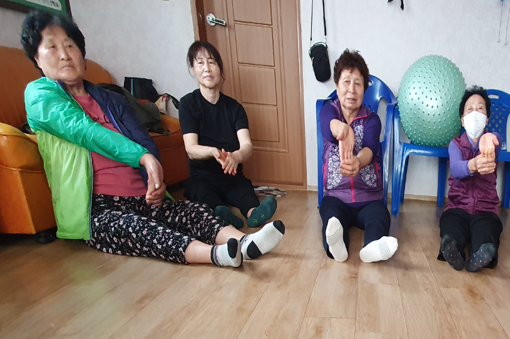
CARE-Net is a digital platform that assists underserved rural communities by connecting health, welfare, long-term care, and medical care. By allowing inter-agency data-sharing and communication, experts can quickly identify a person’s needs and consult with others to resolve them. Village care managers (trained citizen health leaders) in each village help their neighbors navigate the system and advocate on their behalf.
Home Nursing to Regenerate the Town
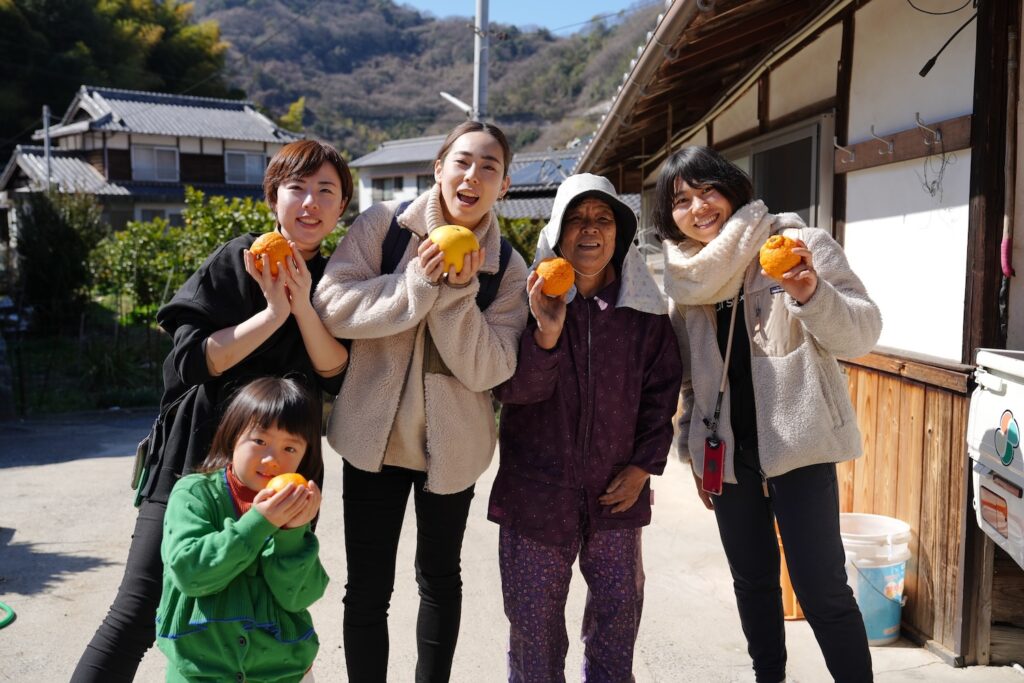
Nurse & Craft addresses aging, rural communities by establishing a home-visit nursing station to provide medical treatment and care at home, taking advantage of telemedicine to access medical doctors on the mainland. They also offer a combination of health monitoring technologies, regular home visits by nurses, and health classes to improve medical literacy and digital literacy among older residents and promote healthier living.
Go Bike Project—Ronda Kalusugan Program
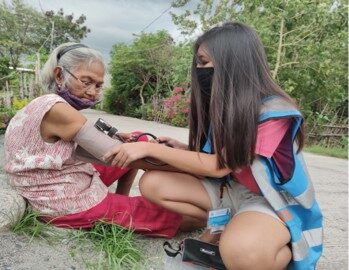
Go Bike trains young volunteers to become community responders—“Go Bikers”—in times of emergencies and disasters, and to conduct regular health monitoring for older people (the Ronda Kalusugan Program), which includes blood pressure and blood sugar monitoring. They use bicycles equipped with first-aid kits, medicine, blood pressure apparatus, random blood sugar checking kits, and disaster response equipment that enables them to help those in their communities.